
The economy of hatred: What the anti-migrant wave tells us about SA’s broken economic model
Decades of economic failure has created genuine desperation, into which an ideological campaign by mainstream economic actors has injected the false idea that we are trapped in a world of scarcity. And into this world political entrepreneurs have inserted the figure of the migrant as the illegitimate queue-jumper. In recent weeks South Africa has experienced […] The post The economy of hatred: What the anti-migrant wave tells us about SA’s broken economic model appeared first on The Namibian .
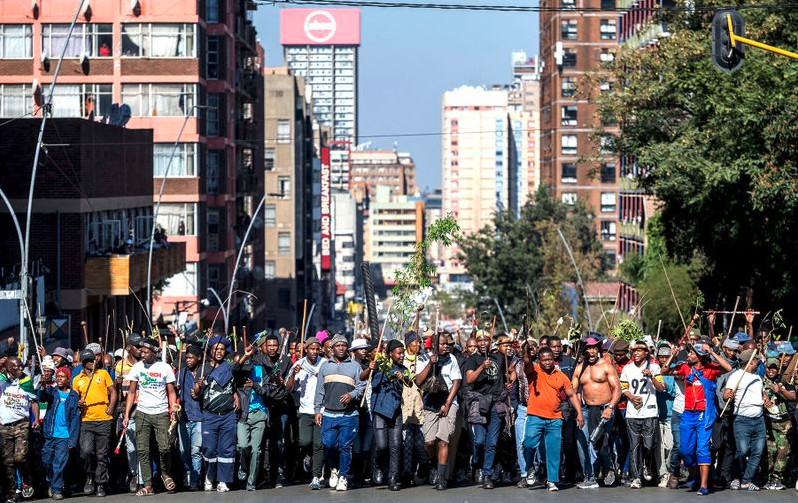
Decades of economic failure has created genuine desperation, into which an ideological campaign by mainstream economic actors has injected the false idea that we are trapped in a world of scarcity. And into this world political entrepreneurs have inserted the figure of the migrant as the illegitimate queue-jumper.

In recent weeks South Africa has experienced some of its most significant anti-migrant mobilisation. Journalists and researchers have done important work exposing the political infrastructure behind groups like March and March, Operation Dudula and South Africans for Constitutional Reform – the organisational networks, the funding questions, the complicit political parties, the well-documented use of social media to amplify grievance before facts can be established. An understanding of the machinery is emerging.
Less examined is the economic terrain into which that machinery has been fixed. The economic context is mentioned – almost always – but typically as a backdrop rather than a subject of analysis in its own right. That needs to change. Understanding it requires grappling with several layers of economic reality. And some of those layers implicate actors who are not ordinarily part of this conversation: National Treasury, mainstream economists, the ratings agencies and the business elite.