
Dance Remains a Powerful Act of Resistance
Each year, on 29 April, International Dance Day arrives wrapped in celebration – of beauty, of discipline, virtuosity and expressive athletic bodies. Stages are lit up, social media fills with images of bodies in motion, and institutions reaffirm commitments to the arts. But to speak of dance only in these terms of beauty and virtuosity […] The post Dance Remains a Powerful Act of Resistance appeared first on The Namibian .
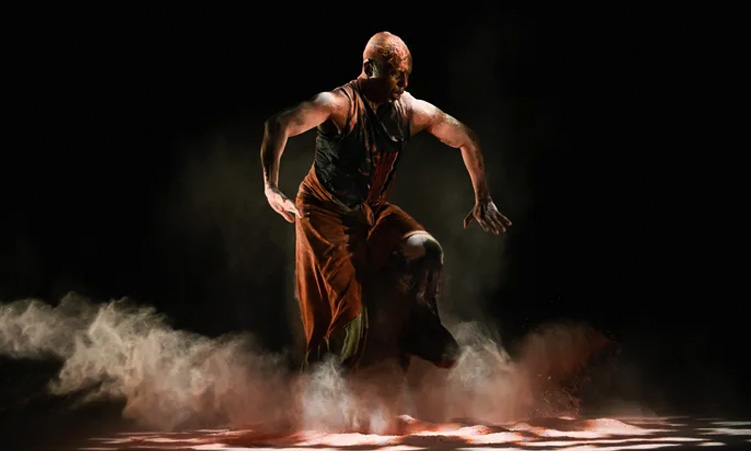
Each year, on 29 April, International Dance Day arrives wrapped in celebration – of beauty, of discipline, virtuosity and expressive athletic bodies. Stages are lit up, social media fills with images of bodies in motion, and institutions reaffirm commitments to the arts.

But to speak of dance only in these terms of beauty and virtuosity is to miss its urgency. In South Africa (and in most parts of Africa), the dancing body is not neutral but evokes deeply felt body politics. Our bodies carry intersectional gendered, racialised and ableist histories where our very flesh is historically situated. To dance, in our context, is not only to move – it is to insist.
Dance is, at its most fundamental, a practice of presence. It asks the body to take space, to be seen, to be felt. Yet presence is never innocent in a society structured by inequality. Who is allowed to be visible, and under what conditions? Which bodies are celebrated, and which are policed, erased, or rendered disposable? These questions haunt every moment of dance training, creation and performance.