

Govt beefs up food security
Namibia imports about 70% of its food, leaving it highly vulnerable to external shocks, particularly the looming El Niño weather pattern that could disrupt agricultural production. In its latest Country Brief, covering Namibia’s food security and climate outlook for July and August 2026, the World Food Programme (WFP) warned that lower agricultural output across Southern... The post Govt beefs up food security appeared first on New Era .
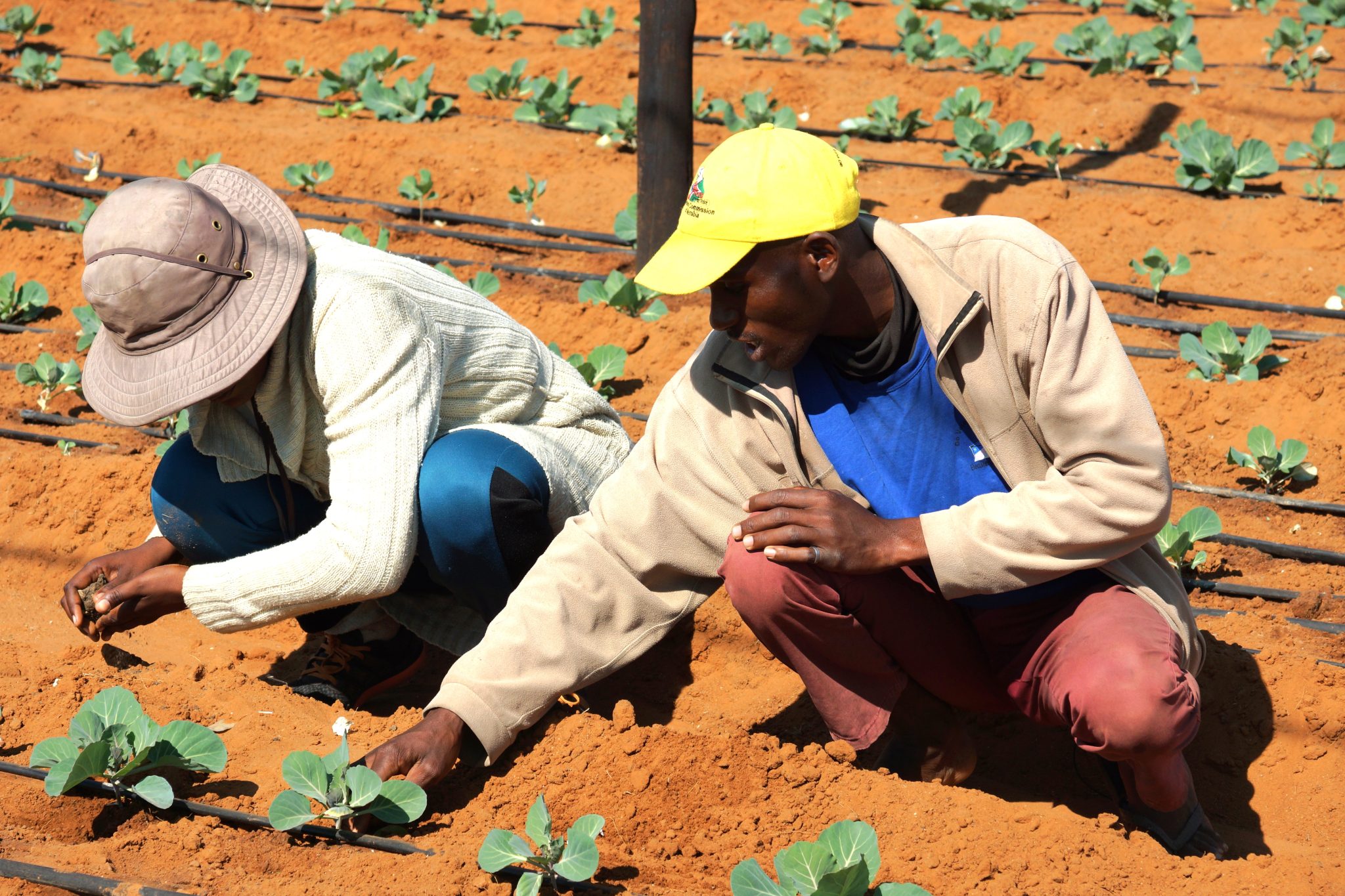
Namibia imports about 70% of its food, leaving it highly vulnerable to external shocks, particularly the looming El Niño weather pattern that could disrupt agricultural production.
In its latest Country Brief, covering Namibia’s food security and climate outlook for July and August 2026, the World Food Programme (WFP) warned that lower agricultural output across Southern Africa could sharply worsen food insecurity in Namibia and neighbouring countries. The country is bracing for a developing “Super El Niño”, forecast to last from October 2026 to March 2027, which could bring severe drought conditions and higher food prices.
The warming of the equatorial Pacific Ocean affects global weather systems and can directly alter Southern Africa’s climate patterns.

This phenomenon coincides directly with Namibia’s critical planting and rainy season, and for this year, it is predicted to trigger intense heatwaves, below-average rainfall, and a dangerous drop in already-stressed dam levels countrywide.
As a result, the WFP warned that local crop yields and livestock conditions could face catastrophic risks, echoing the devastating 2023/24 El Niño drought, which forced a national state of emergency and slashed Namibia’s crop production by 56%.
Namibia’s ongoing reliance on imports and food aid from international partners underscores persistent challenges faced by vulnerable households.
In July alone, over 117 000 households received food assistance, highlighting the scale of ongoing food insecurity.
Additionally, more than 51 000 children benefitted from meals provided at early childhood development centres across the country. In total, the distribution of food aid included more than 4 700 tonnes of rice, addressing urgent nutritional needs.
The government’s Home-Grown School Feeding Programme, which currently benefits approximately 466 860 learners, or about 86% of Namibia’s school-age children, remains one of the country’s most effective initiatives.
Growing risks
The timing of the predicted “Super El Niño” is highly precarious for Namibian households due to compounding local factors, such as inflation that hit a 2026 high of 4.4% in July, further eroding household buying power just as regional food supplies are threatened.
Since Namibia currently imports about 70% of its food requirements, global and regional climate shocks like El Niño disproportionately squeeze household purchasing power.
“Climate and food security risks are expected to increase in 2026 as a developing El Niño event is forecasted to bring below-average rainfall across Southern Africa. Reduced rainfall could lower agricultural production and disrupt regional cereal supplies. Rising consumer prices are expected to erode household purchasing power, with the greatest impact likely to be felt by vulnerable households and those dependent on fixed or low incomes,” the WFP highlighted in its report.
Namibia is, however, actively preparing for the historic Super El Niño by transitioning from reactive crisis management to a proactive drought playbook framework, though significant vulnerabilities remain regarding food price shocks.
Building on strategies from the 2024/2025 drought cycle, the government and its partners are scaling infrastructure investments and agricultural protection frameworks ahead of the expected Super El Niño peak.
Through a dedicated N$100 million water programme, Namibia is drilling and restoring at least 42 boreholes across ten regions to secure emergency water supplies and has issued formal warnings and initiated joint climate adaptation planning with fellow Orange-Senqu River basin countries to combat projected water shortages along the critical Lower Orange River.
Plans are also underway to enhance rural groundwater extraction capacities and municipal water conservation campaigns to prevent urban “Day Zero” depletion risks.
–ohembapu@nepc.com.na