

Inequality leaves children with heart disease at risk
A new World Heart Federation report reveals widening global inequalities in congenital heart disease care, leaving low-income nations to carry the heaviest burden. The report says congenital heart disease (CHD) is among the most common birth defects globally, affecting between 1.4% and 2.3% of children worldwide. According to the report, about 2.3 million children were […] The post Inequality leaves children with heart disease at risk appeared first on The Namibian .
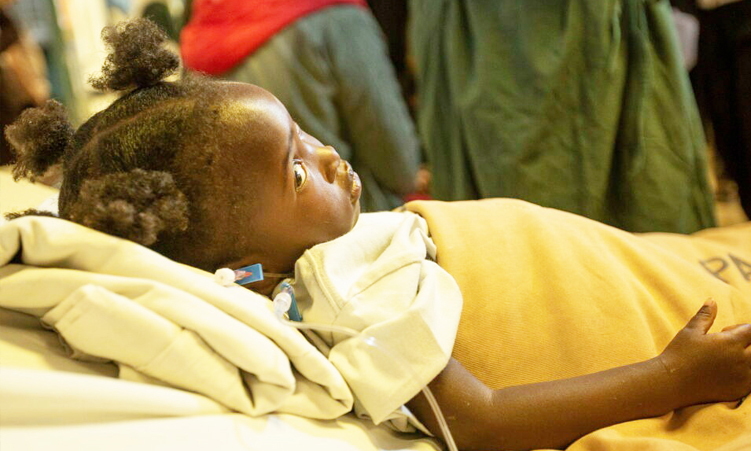
A new World Heart Federation report reveals widening global inequalities in congenital heart disease care, leaving low-income nations to carry the heaviest burden. The report says congenital heart disease (CHD) is among the most common birth defects globally, affecting between 1.4% and 2.3% of children worldwide. According to the report, about 2.3 million children were born with congenital heart disease in 2023, while an estimated 16 million people were living with the condition globally, compared to 11.8 million three decades ago.

The report says although survival rates have improved because of advances in diagnosis and treatment, major inequalities remain in access to care, particularly in low-income countries. “Countries in the low-income region have an age-standardised mortality rate that is four times higher than those in the high-income region,” it says. It says paediatric heart programmes and trained professionals specialising in CHD care are largely concentrated in select major cities in many low- and middle-income countries, while “in most of Africa and many parts of Asia and Latin America, there are no institutions with the capability for infant and newborn heart surgery”.
WHAT IS CHD? CHD refers to structural abnormalities of the heart and blood vessels present at birth. The report explains these defects vary in severity, ranging from minor defects that may resolve on their own to critical conditions requiring surgery within days or weeks of birth.