

MPs warn mental health bill needs backing
National Council parliamentarians have welcomed Namibia’s new mental health bill but warn that the legislation could fail if the government does not provide the infrastructure, staff and funding needed to implement it.
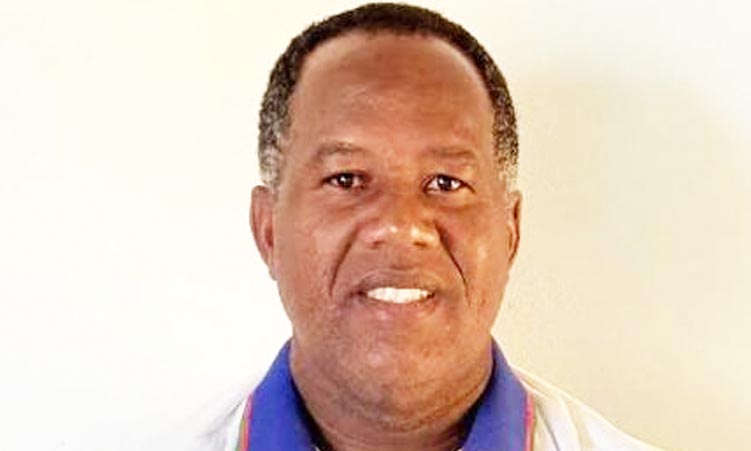
National Council parliamentarians have welcomed Namibia’s new mental health bill but warn that the legislation could fail if the government does not provide the infrastructure, staff and funding needed to implement it.
The concerns were raised yesterday as lawmakers debated the bill during the session, which was adopted by the National Assembly on 9 June and is now before the National Council.
The bill seeks to repeal the outdated Mental Health Act of 1973 and introduce a modern, rights-based framework for mental healthcare.

It promotes community-based care, early intervention, protection of patients’ rights, suicide prevention and stronger safeguards against abuse, discrimination, restraint and involuntary treatment.
Parliamentarian Eddie Nanub yesterday warned that the country could end up with a law that looks progressive on paper but fails because of inadequate infrastructure and chronic underfunding.
“A bill that looks good on paper but fails on the ground is not progress; it is a betrayal of the very people it claims to protect,” Nanub said.
He questioned how the government would implement community-based and outpatient services when many regions have no dedicated psychiatric facilities.
He pointed to Windhoek Central Hospital’s psychiatric unit, which has about 220 beds, while Oshakati’s Ward 16, built for 60 patients, routinely accommodates more than 200.
Nanub also raised concern over Namibia’s shortage of mental health professionals, saying the country has fewer than 10 psychiatrists.
He called for a cost implementation roadmap, a ring-fenced mental health budget, support for family caregivers and stronger independent oversight of involuntary admissions.
Zedekia Katjiuanjo yesterday expressed support for the bill but called for services to be taken to the regions.
He said some communities have clinics without psychiatric nurses and schools without counsellors, while stigma continues to force families to hide relatives suffering from mental illness.
Katjiuanjo proposed mental health units at every regional hospital and trained mental health workers at district hospitals and health centres.
He also called for a national awareness campaign involving traditional leaders, churches, schools and radio stations in local languages.
He urged the University of Namibia’s School of Medicine to introduce psychiatry training to produce locally trained psychiatrists.
Andreas Amundjindi yesterday expressed disappointment that Namibia has only two mental health facilities, saying overcrowding compromises patients’ dignity and rights.
He said Windhoek Central Hospital serves almost nine regions, while Oshakati’s psychiatric ward lacks resources, including a clinical psychologist.
Amundjindi said the new law must ensure early intervention and adequate mental health resources are available at clinics and hospitals across the country.
“I urge young people to stay away from using drugs and other toxic substances because they are the major contributors to mental health conditions or disorders among the youth,” he said.