
How The Middle East Crisis And Us Foreign Policy Are Strangling The Namibian Economy
The war between the United States (US) and Iran, now in its second phase with escalating strikes across the Gulf region, is not a distant geopolitical quarrel confined to the Middle East, and for import reliant nations like Namibia, the consequences have materialised into measurable increases in fuel, food and transport costs that are eroding […] The post How The Middle East Crisis And Us Foreign Policy Are Strangling The Namibian Economy appeared first on The Namibian .
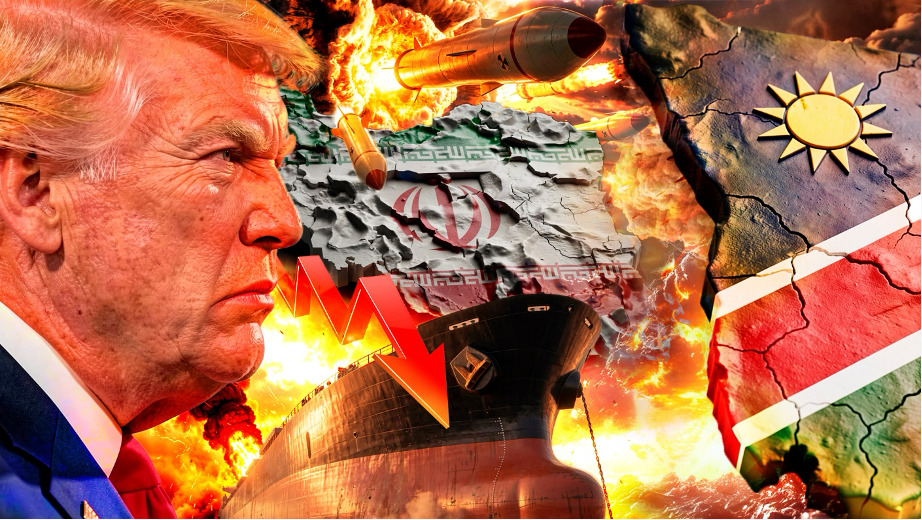
The war between the United States (US) and Iran, now in its second phase with escalating strikes across the Gulf region, is not a distant geopolitical quarrel confined to the Middle East, and for import reliant nations like Namibia, the consequences have materialised into measurable increases in fuel, food and transport costs that are eroding household incomes across the country.
The economic hardship facing Namibian households is not the result of domestic policy failure, but a direct consequence of war initiated by the US and its military and economic policies, placing an unbearable strain on the country’s economy.

The most immediate and devastating shock to the Namibian economy has come through global energy markets, where the US Iran war has sent crude prices skyrocketing and disrupted maritime chokepoints critical to the movement of petroleum products into southern Africa.
Following US led military strikes on Iran and Tehran’s subsequent declaration of war, the average price of unleaded petrol surged by 56.9% from February to March 2026, reaching approximately $124.92 per barrel, while the average price of diesel increased by 122.1% to $179.53 per barrel.