

Windhoek’s New Dog Control Regulations: What The Changes Mean
THE CITY OF Windhoek has approved the dog control and management regulations, a framework designed to elevate responsible dog ownership, sharpen public safety and bolster animal welfare. These regulations respond to growing concerns about stray and uncontrolled dogs, dog attacks, animal neglect and gaps in the legal toolkit for dog management. The Society for the […] The post Windhoek’s New Dog Control Regulations: What The Changes Mean appeared first on The Namibian .
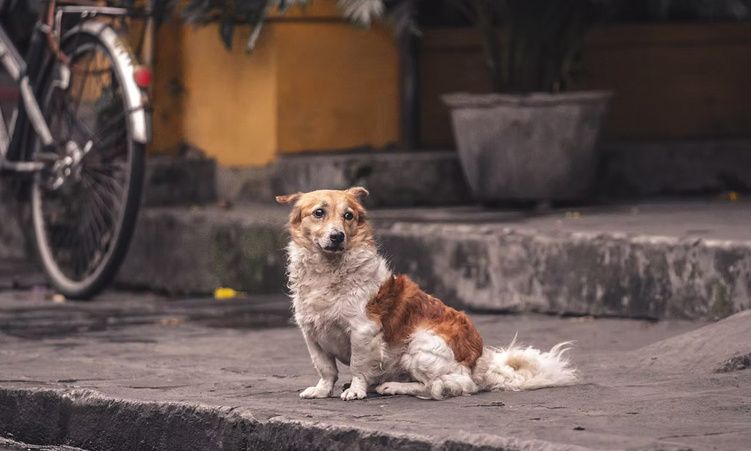
THE CITY OF Windhoek has approved the dog control and management regulations, a framework designed to elevate responsible dog ownership, sharpen public safety and bolster animal welfare.
These regulations respond to growing concerns about stray and uncontrolled dogs, dog attacks, animal neglect and gaps in the legal toolkit for dog management.
The Society for the Prevention of Cruelty to Animals (SPCA) supports the direction in principle, recognising that without teeth in the rules, the status quo – and the suffering it leaves in its wake – persists.

Let me tell it as it is: the reality on the ground is stark.
Each month, SPCA intake runs about 400 animals (cats and dogs). Roughly half are strays, half are surrendered. That reality reveals a pervasive pattern of irresponsibility: pets treated as disposable, neighbours and communities treated as invisible, and a system that barely keeps up with the scale of need.
The majority of animals in our care arrive sick, with behavioural issues, pregnant or with litters, malnourished and undersocialised. Vaccination rates are dismally low, and many animals are not kept safely within yards.
To spay or neuter is not a priority for many owners. Breeding remains a controversial income source for some, while training and socialisation are neglected.