
Namibia’s largest goat exporter quits after costs soar
Staff Reporter NAMIBIA’S largest goat exporter, André Rossouw Trust (ART) of Maltahöhe, has announced its withdrawal from the live-goat export market after 54 years, citing rising costs and logistical challenges. Rossouw said the increasing costs and export-related difficulties had made it difficult to operate sustainably, particularly in supplying the KwaZulu-Natal market in South Africa, which ... The post Namibia’s largest goat exporter quits after costs soar appeared first on Informanté .
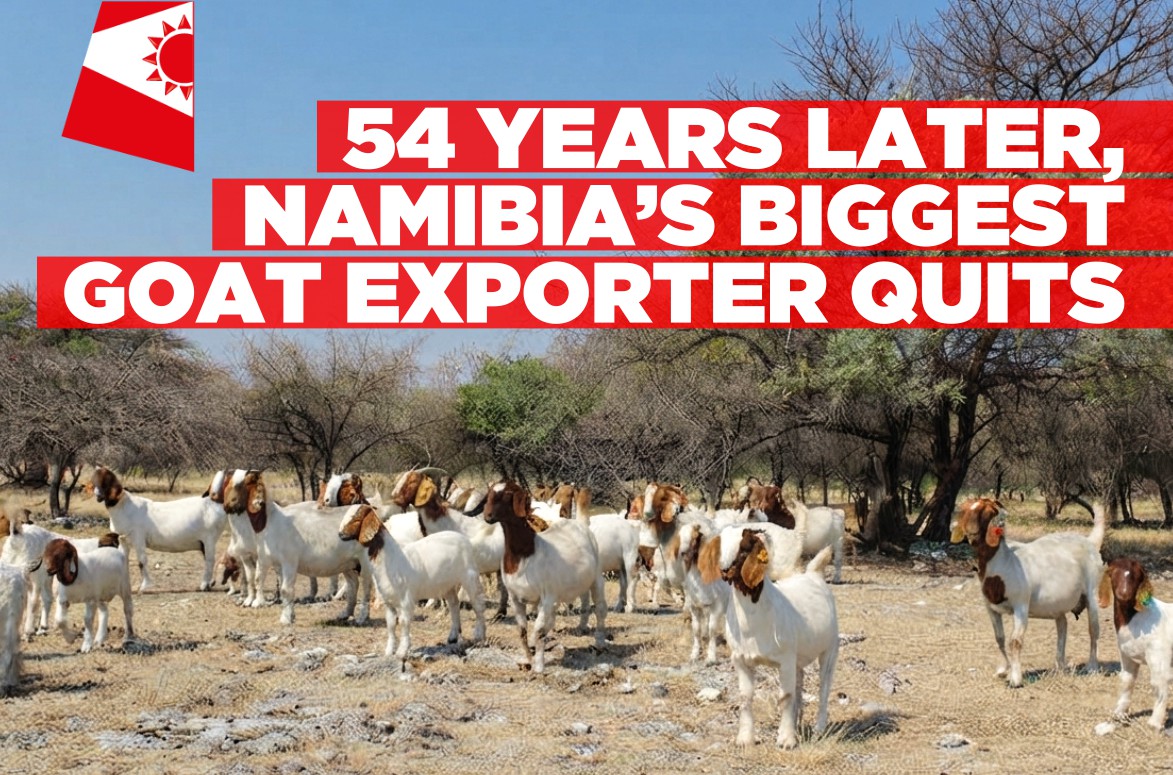
NAMIBIA’S largest goat exporter, André Rossouw Trust (ART) of Maltahöhe, has announced its withdrawal from the live-goat export market after 54 years, citing rising costs and logistical challenges.
Rossouw said the increasing costs and export-related difficulties had made it difficult to operate sustainably, particularly in supplying the KwaZulu-Natal market in South Africa, which remains the main destination for Namibian live goats.
According to figures supplied by the Namibia Agricultural Union (NAU), exporting a consignment of about 800 goats to KwaZulu-Natal can cost approximately N$388 155, or N$485.20 per goat, equivalent to about 30% of the average auction price.

Rossouw said the cost of the testing agent for brucellosis had increased from about N$18.40 per goat to N$79.20, while laboratory blood-testing costs had risen from N$22.50 to N$101.70 per goat. Additional costs include export permits, transport and other testing-related expenses.
He said delays in receiving test results had also disrupted shipments. In one case, he was unable to load 150 goats because results from blood samples taken 10 days earlier had not yet been released, despite a hired truck waiting to transport the animals.
Rossouw said the situation was particularly concerning for emerging and communal farmers who depend on the goat market for income.
He argued that Namibia should establish a dedicated goat industry structure, noting that goats exported to KwaZulu-Natal serve a specialised market that includes traditional and cultural uses, in addition to meat.
The Livestock and Livestock Products Board of Namibia (LLPBN) has defended its role, saying it is not seeking to harm producers but is attempting to prevent disruptions to the market.
The board said recent testing had effectively come to a standstill and that only a small portion of the actual testing costs was being recovered.
It said it had provided a further N$2 million loan to the Central Veterinary Laboratory, but that these costs needed to be recovered because the LLPBN had already used its available funds to support measures aimed at preventing foot-and-mouth disease.
The board said the laboratory had also reported being overloaded with blood samples and lacking funds to pay overtime.
The LLPBN receives no government funding and said it could not continue to carry the full cost of testing.
It also said farmers had previously been allowed to pay directly for the testing agent, but the laboratory had stopped this arrangement because it could compromise perceptions of the laboratory’s integrity and independence.
The board said it had communicated the revised cost-recovery arrangements to stakeholders in the goat industry.
Sources: Helmeringhausen Boerevereniging/NAU/Livestock and Livestock Products Board of Namibia