
Tuesday, 30 June 2026 — the day the SA state ceded power to rabble-rousers
The migration issue was the final nail in the legitimacy of this state. It crystallised government failures on basic service delivery at municipalities, high levels of crime, education deficiencies and a crumbling health system into one issue. For years and decades to come, the date of 30 June will remain etched into the collective memory […] The post Tuesday, 30 June 2026 — the day the SA state ceded power to rabble-rousers appeared first on The Namibian .
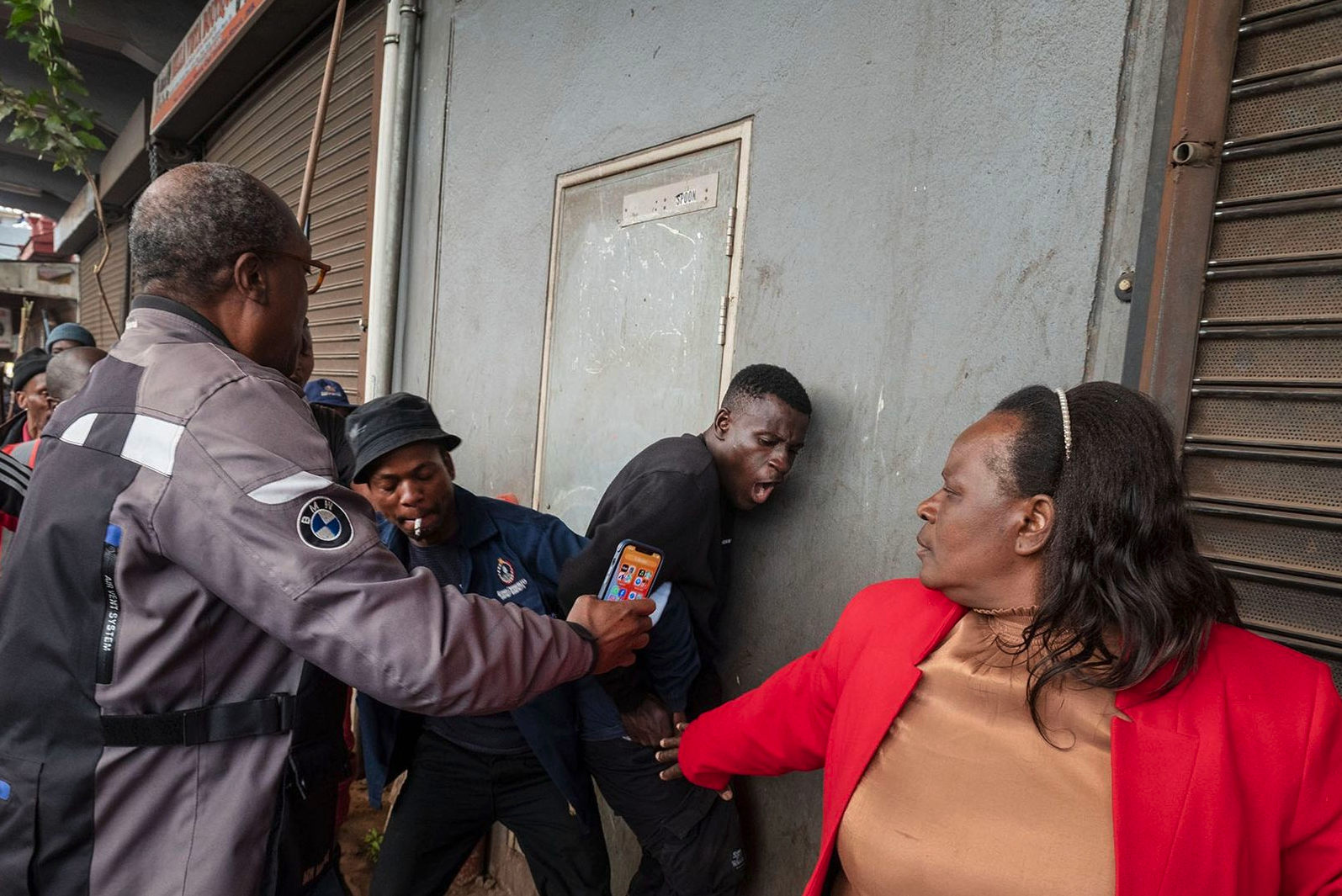
The migration issue was the final nail in the legitimacy of this state. It crystallised government failures on basic service delivery at municipalities, high levels of crime, education deficiencies and a crumbling health system into one issue.
For years and decades to come, the date of 30 June will remain etched into the collective memory of South Africans. This might be a stretch, but it might even carry the significance of 8 January, 2 February, 21 March, 27 April, 16 June or 9 August.

Those days — which respectively mark the formation of the ANC in 1912, the unbanning of liberation movements in 1990, the 1960 Sharpeville massacre, the birth of democratic South Africa, the beginning of the 1976 uprisings and the 1956 Women’s March to the Union Buildings — were epochal. They marked seismic turning points. You know, the moments when it is clear to everyone that things will never be the same again.
The date of 30 June 2026 — and the months that preceded it and the days that will follow it — was a turning point in its own right. It was when the South African state effectively ceded power to a coterie of rabble-rousers with questionable motives.