

NNC boosts school governance
KATIMA MULILO – The Namibia North Conference (NNC) of the Seventh-day Adventist Church has taken a decisive step toward enhancing educational excellence and corporate governance within its regional institutions. The church organisation recently convened a specialised, three-day capacity development workshop aimed at equipping school leadership with the critical administrative skills and spiritual frameworks necessary to... The post NNC boosts school governance appeared first on New Era .
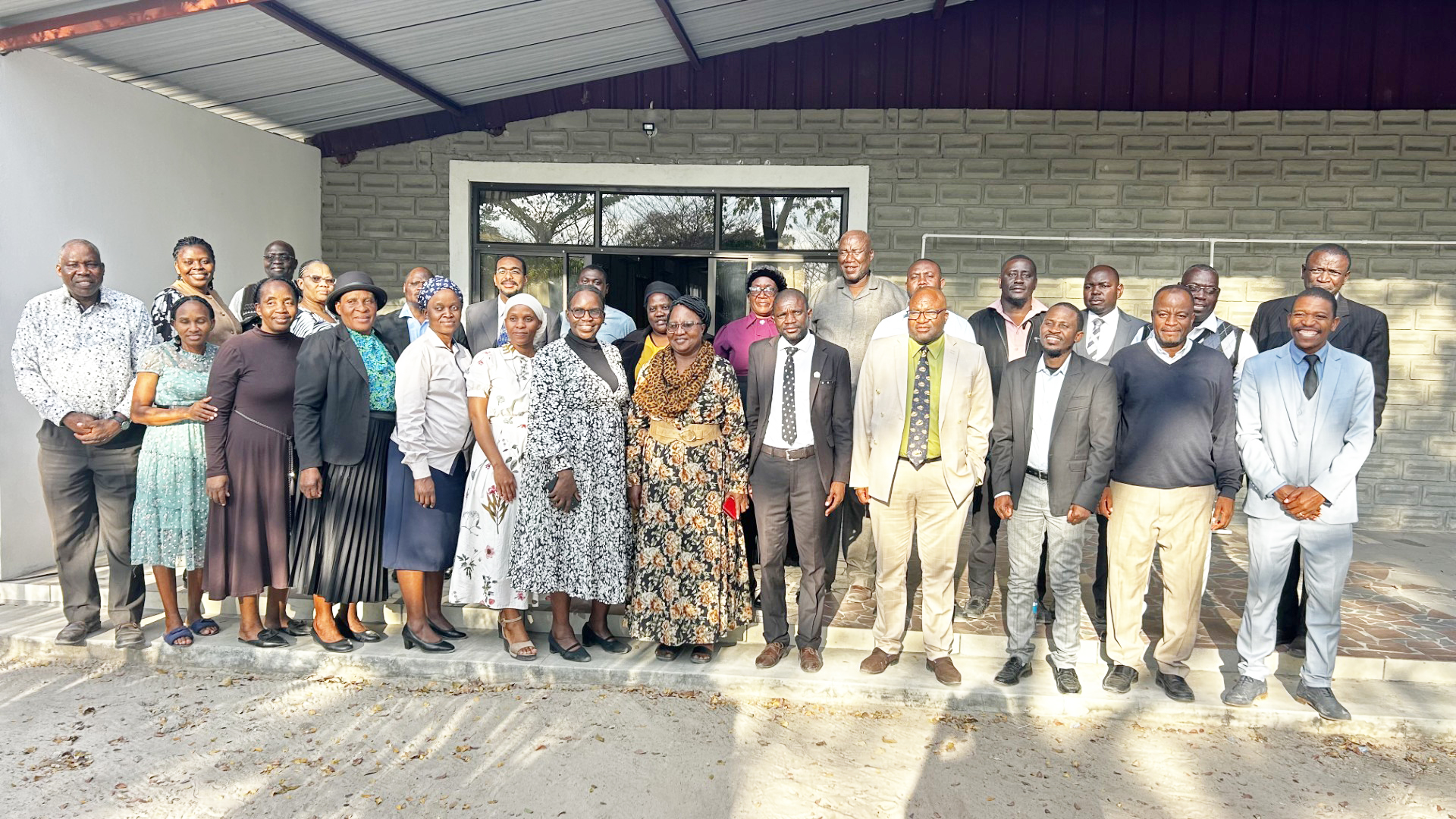
KATIMA MULILO – The Namibia North Conference (NNC) of the Seventh-day Adventist Church has taken a decisive step toward enhancing educational excellence and corporate governance within its regional institutions.
The church organisation recently convened a specialised, three-day capacity development workshop aimed at equipping school leadership with the critical administrative skills and spiritual frameworks necessary to navigate the modern educational landscape. The intensive training seminar brought together school board members and management teams from the conference’s two primary educational institutions operating within its northeastern regional territory. These institutions include Mavuluma Adventist Primary Private School (MAPPS) in Katima Mulilo and Rundu Adventist School in Rundu. Both institutions are primary schools dedicated to delivering Christ-centred elementary learning and holistic Adventist education.
Pastor Franciskus Kashasha Matamu, the president of the NNC, officially opened the comprehensive training workshop. In his keynote address, Matamu expressed gratitude for the realisation of the training opportunity, acknowledging that church-run schools can sometimes feel overlooked. He directly addressed the assembled school boards and management teams, emphasising that they play an indispensable role in defining strategic directions, ensuring financial integrity, and promoting high educational quality across their respective campuses.

The workshop was structured to achieve several operational objectives: strengthening overall governance competencies, updating members on changing compliance frameworks, and equipping the board with effective oversight strategies. Over the course of the three-day event, participants engaged in sessions covering a wide spectrum of institutional responsibilities. The curriculum dealt with critical administrative matters, including school governance structures, national education acts, strategic planning methodologies, risk management protocols, budgeting, financial statements, labour relations, and fundraising initiatives.
Introducing the official theme for the next five years, ‘Grounded in the Bible, focused on the mission’, Matamu declared that this declaration is far more than a passing slogan. Instead, he described it as a foundational philosophy that will guide the conference’s educational institutions for the half-decade ahead. He noted that the theme serves as a constant reminder of their identity as Bible-believing entities, explicitly defining why they exist and how they must serve the community while awaiting the second coming of Jesus Christ.
Delivering a powerful charge on institutional leadership, Matamu cautioned the attendees against the dangers of organisational pride. He stated that the greatest danger occurs when individuals begin to view leadership as a status symbol rather than a sacred stewardship. He reminded participants that being appointed to a school board or management team is not about personal prestige but about acting as a trusted steward who manages property and resources belonging to God. He emphasised that Adventist education is an active extension of God’s mission, meaning that school boards must be fundamentally different in their strategic thinking, ensuring that the Bible remains the absolute foundation for every policy and administrative decision.
Echoing these sentiments, Edith Chaka, the education director for the NNC, confirmed that this capacity-building workshop was the first of its kind for the two regional schools. She emphasised that the training arrived at a crucial moment as the Namibia North Conference actively implements its broader organisational strategic plan. Chaka described the seminar as a valuable peer-to-peer opportunity for the two institutions to share insights, exchange best practices, and learn from one another’s localised challenges. Chaka concluded by stating that the theme calls the educational leadership back to their historical spiritual foundations. She noted that administrative duties on a school board are a sacred calling, explaining that being grounded in the Bible means anchoring daily school policies and corporate decisions in absolute truth. Through this workshop, the conference aims to sharpen leadership skills, enhance academic excellence, and align institutional strategic goals with their core spiritual values.
-jmuyamba@nepc.com.na