

Species’ ingenious survival strategies no match for human destruction
Life has colonised every corner of the planet by evolving ingenious survival strategies but these are increasingly being overwhelmed by destructive human activities, this year’s red list of endangered species has revealed. Many snails, limpets and clams have adapted to life at crushing depths in the oceans on hydrothermal vents where water temperatures can reach […] The post Species’ ingenious survival strategies no match for human destruction appeared first on The Namibian .
Life has colonised every corner of the planet by evolving ingenious survival strategies but these are increasingly being overwhelmed by destructive human activities, this year’s red list of endangered species has revealed.
Many snails, limpets and clams have adapted to life at crushing depths in the oceans on hydrothermal vents where water temperatures can reach 450ºC. But an assessment for the red list found that two-thirds of the hundreds of mollusc species found only on deep sea vents were at risk of extinction because of deep-sea mining.
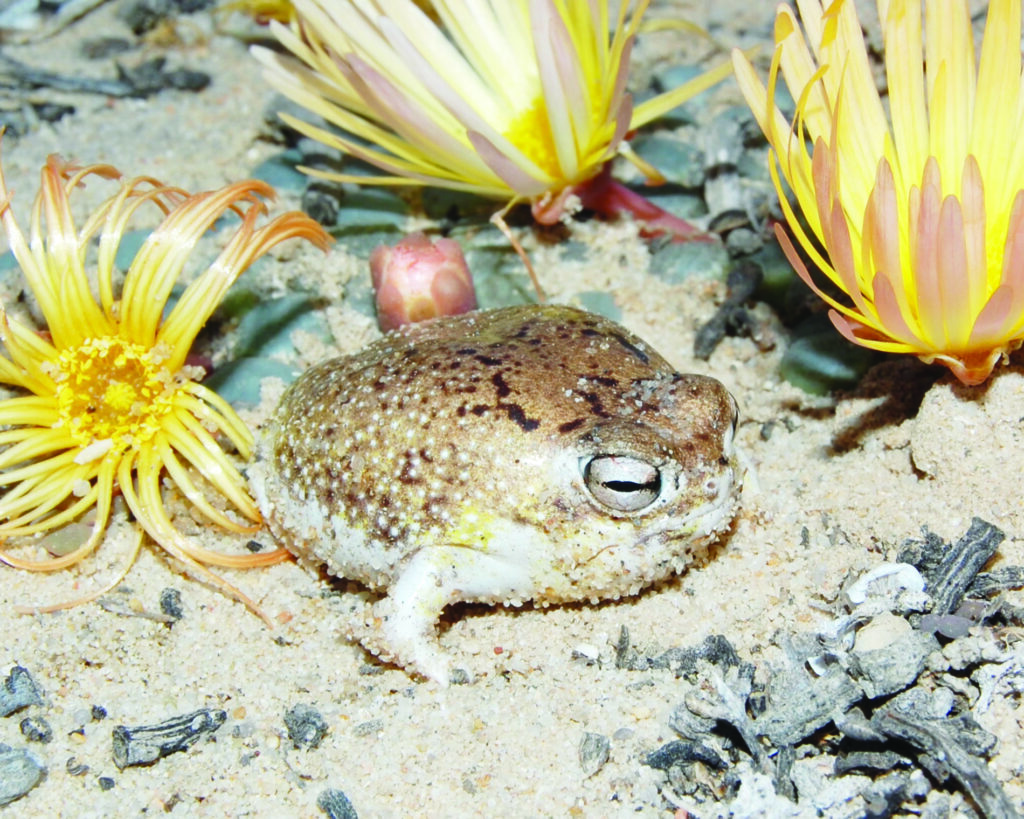
Mining for diamonds has put another extraordinary creature at risk of disappearing – the desert rain frog. Most frogs rely on water for survival but the bulbous desert rain frog has evolved to need almost none.

It hides from the southern African sun by burying itself deep in the sand, coming out only at night to hunt insects.
However, dwindling species can be saved, the International Union for Conservation of Nature (IUCN), which produces the red list, says.
The new list shows the numbat, a stripy, termite-eating marsupial from Australia, has come back from the brink thanks to protection from feral cats and foxes.