
Why Can Botswana Feed Its School Children Better Than Namibia
I have often asked myself why schools in Botswana are able to provide nutritious meals to pupils consistently, while many schools in Namibia continue to struggle with shortages and inadequate feeding programmes. In Botswana, school feeding programmes are taken seriously across the country, including in rural village schools. Learners receive balanced meals throughout the day. […] The post Why Can Botswana Feed Its School Children Better Than Namibia appeared first on The Namibian .
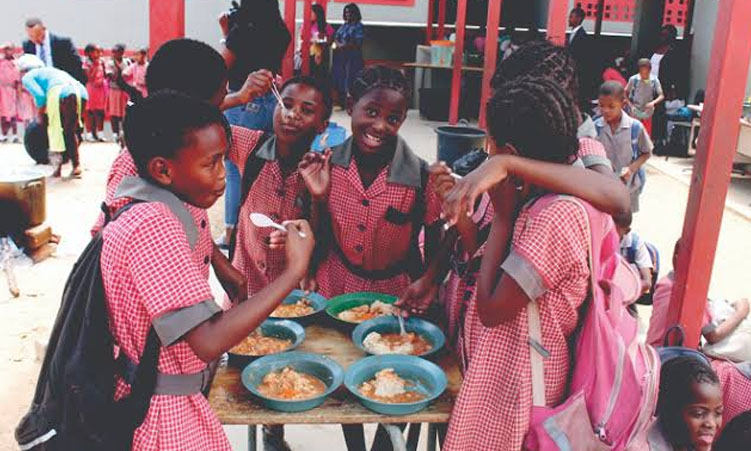
I have often asked myself why schools in Botswana are able to provide nutritious meals to pupils consistently, while many schools in Namibia continue to struggle with shortages and inadequate feeding programmes.

In Botswana, school feeding programmes are taken seriously across the country, including in rural village schools. Learners receive balanced meals throughout the day. Early in the morning, children are served soft porridge (bogobe) mixed with peanut butter and warm milk. Breakfast may also include bread with peanut butter, eggs, and milk. At lunchtime, they are given proper meals consisting of meat, mabele (sorghum meal), fruit, and clean drinking water. Importantly, there is rarely a shortage of food in schools.
Schools in Botswana often operate from as early as 06h00 to 17h00, yet pupils remain active, focused, and disciplined because they are well fed and properly cared for. Nutrition plays a major role in a child’s ability to learn, concentrate, and participate positively in school activities.