

African treaties mustn’t collect dust – Speaker
Auleria Wakudumo National Assembly Speaker Saara Kuugongelwa-Amadhila has called for stronger implementation of African treaties and legal instruments. The speaker said the continent’s development challenges are often caused not by a lack of laws but by the failure to put them into practice. Kuugongelwa-Amadhila made the remarks on Friday, during the launch of the book... The post African treaties mustn’t collect dust – Speaker appeared first on New Era .
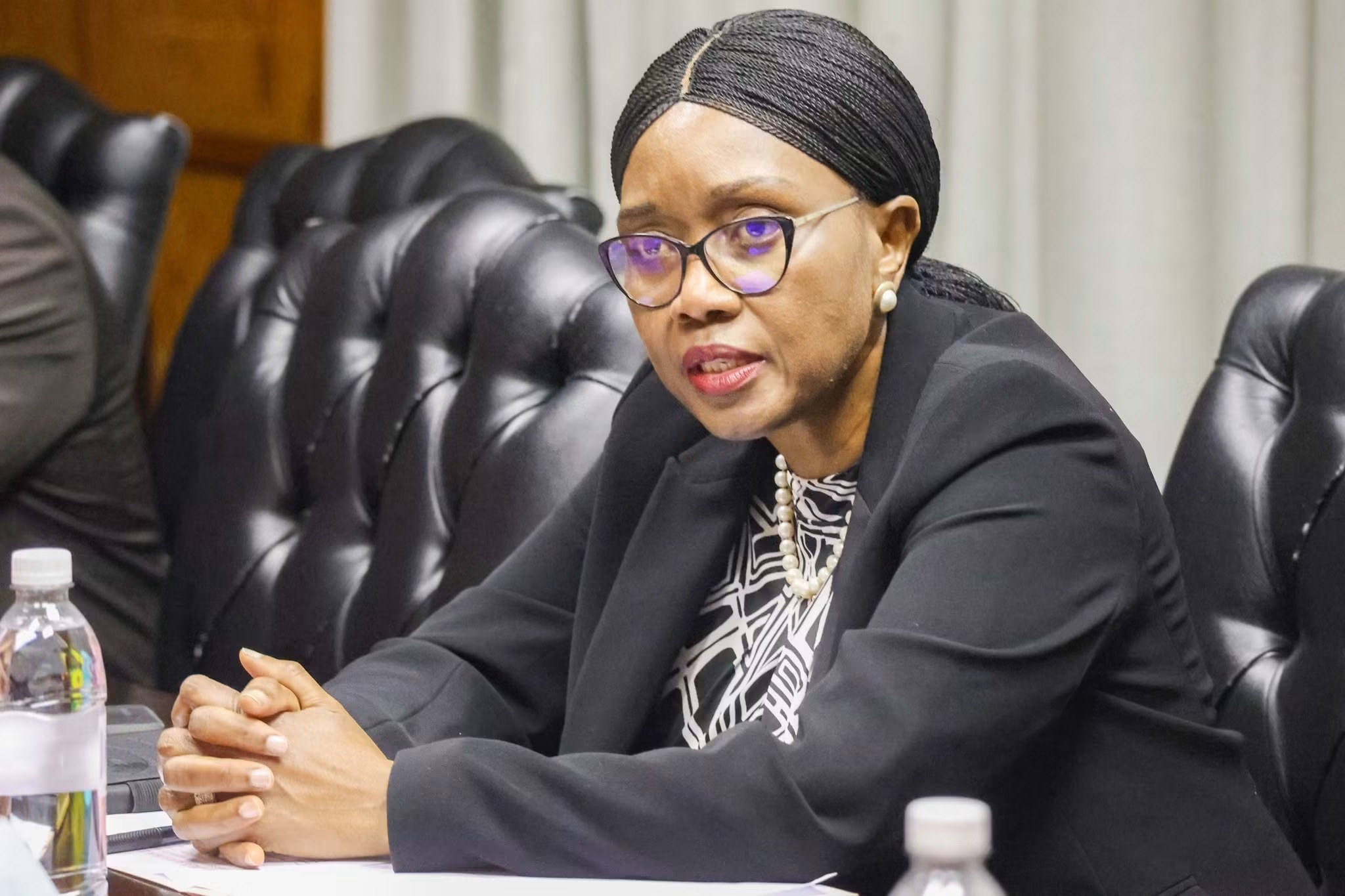
National Assembly Speaker Saara Kuugongelwa-Amadhila has called for stronger implementation of African treaties and legal instruments.
The speaker said the continent’s development challenges are often caused not by a lack of laws but by the failure to put them into practice.
Kuugongelwa-Amadhila made the remarks on Friday, during the launch of the book ‘Constitutionalism, Sustainable Economic Development and the African Continental Free Trade Area: Prospects and Challenges for Africa in the 21st Century’.

The publication was launched in partnership with the Konrad-Adenauer-Stiftung (KAS), the African Network of Constitutional Lawyers and the University of Namibia (Unam).
It explores the relationship between constitutional governance, sustainable economic development and regional economic integration under the African Continental Free Trade Area (AfCFTA).
She said one of the book’s most important contributions is its examination of the gap between legal frameworks and what is achieved in practice across Africa.
“The difficulty facing this continent is rarely the absence of the right legal instruments. It is the discrepancy between what our instruments provide and what happens in practice,” Kuugongelwa-Amadhila said.
She said this gap can be seen in areas such as debt management, human rights and regional protocols, where countries have established legal frameworks and entered into agreements, but implementation remains inadequate.
The Speaker said the issue is particularly important in relation to the AfCFTA, which seeks to establish a single market for goods and services across the continent and facilitate the movement of people.
Kuugongelwa-Amadhila said the agreement would only achieve its intended objectives if member states honoured the obligations they have undertaken.
“The African Continental Free Trade Area is not a solution. It is an instrument, and its value will be determined by the willingness of States Parties to implement their obligations faithfully,” she said.
She stressed that ratifying an agreement should be regarded as the beginning of an obligation rather than the completion of one.
“Ratification is the beginning of an obligation. It is not the discharge of one,” she said.
Kuugongelwa-Amadhila also pointed to infrastructure as one of the challenges that could undermine the functioning of a single African market.
She said infrastructure integration across the continent remains below the level required to support an effective single market, while the region has also faced challenges in this area.
The free movement of people remains another challenge.
She said the protocol intended to give legal effect to free movement of persons has been signed by most member states but ratified by only a handful.
“This is particularly significant because the market we are building depends upon the movement and participation of Africans across borders,” she said.
The speaker further called for greater inclusion in Africa’s economic development.
She said women, young people and the informal sector should not be left behind as AfCFTA expands trade and economic activity.
“A trade area that expands aggregate volumes while leaving women, young people and the informal sector outside its benefit will not have succeeded on any measure,” she said.
Kuugongelwa-Amadhila also stressed the importance of involving communities in development planning.
She said development should not simply be designed for people, but with them, allowing intended beneficiaries to identify their needs and influence projects meant to benefit them.
She said the same principle should apply to the continent’s economic integration agenda.
Kuugongelwa-Amadhila described the publication as a substantial body of African scholarship addressing African challenges.
She said the contributors do not necessarily agree on every issue but argued that the differences strengthen the publication by encouraging debate on issues that remain unresolved.
“What the contributors do agree upon is this. Constitutions do not implement themselves. Treaties do not implement themselves,” she said.
She added that the success of AfCFTA would ultimately depend on what member states are prepared to do through their legislatures and institutions to give effect to their commitments.
–awakudumo@nepc.com.na