
Expecting in extreme heat: The climate risk to pregnancy
Like many other parts of the world, Kilifi – a largely hot and humid county along Kenya’s coast – is grappling with the effects of climate change and deforestation. Rising air temperatures, recurring flash floods and prolonged droughts are now frequent in this semi-arid region, threatening food security and affecting human health. “Sometimes it’s very, […] The post Expecting in extreme heat: The climate risk to pregnancy appeared first on The Namibian .
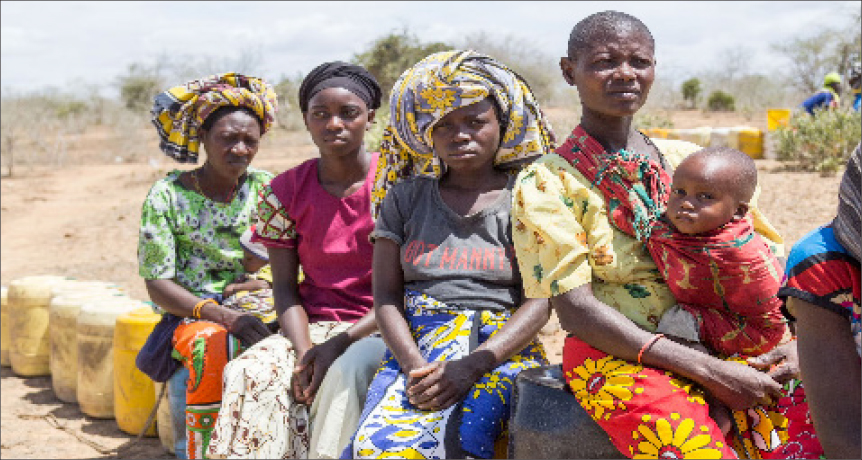
Like many other parts of the world, Kilifi – a largely hot and humid county along Kenya’s coast – is grappling with the effects of climate change and deforestation. Rising air temperatures, recurring flash floods and prolonged droughts are now frequent in this semi-arid region, threatening food security and affecting human health.
“Sometimes it’s very, very hot,” says Kenneth Miriti, the county’s reproductive health coordinator, and there’s little respite from the heat at night, he adds. Poorly ventilated houses make the problem worse.

Among those particularly vulnerable are pregnant people.
For nearly a decade, Miriti has seen many miscarriage cases and pregnancy complications due to the high prevalence of anaemia in the region, lack of access to clean water, and poor health education and access to care. But only recently has his team begun to make connections between adverse maternal health outcomes and higher-than-usual temperatures in the region.
“We as healthcare providers had never thought of heat as one of the contributing factors.”