

66% of teen pregnancies from rural areas
Pupils from rural areas make up about 66% of teenage pregnancies in Namibia, while young mothers in rural communities are also less likely to return to school than their urban peers. This is according to a report from the Ministry of Education, Innovation, Youth, Sport, Arts and Culture’s office of the executive director, in response […] The post 66% of teen pregnancies from rural areas appeared first on The Namibian .
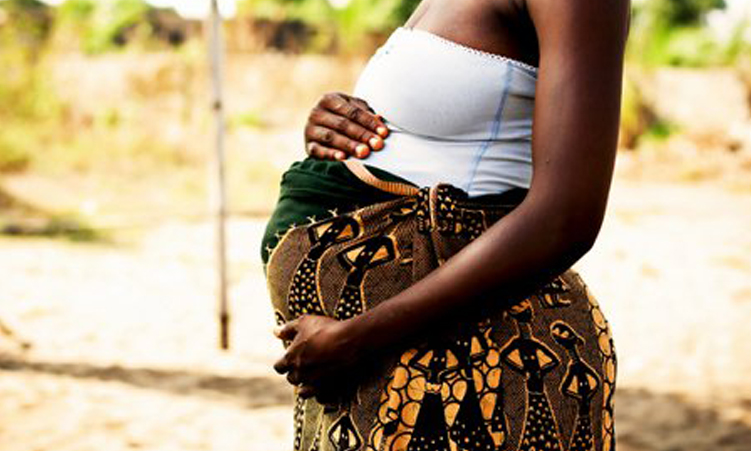
Pupils from rural areas make up about 66% of teenage pregnancies in Namibia, while young mothers in rural communities are also less likely to return to school than their urban peers.
This is according to a report from the Ministry of Education, Innovation, Youth, Sport, Arts and Culture’s office of the executive director, in response to questions from The Namibian following the release of findings on teenage pupil pregnancies.
Executive director Erastus Haitengela says most pupils affected by teenage pregnancy were aged between 16 and 20, with the majority in Grades 8 to 12.

He also says the findings pointed to significant differences between rural and urban pupils when it comes to returning to school after giving birth.
“Rural pupil mothers were significantly less likely to return to school than their urban counterparts, with reintegration challenges particularly evident in the Kunene and Ohangwena regions,” Haitengela says.
The report found that pupil pregnancy declined from 1.97% in 2022 to 1.59% in 2023, and to 1.34% in 2024.
At the same time, the proportion of pupil mothers returning to school increased from 51.5% to 53.9% in 2024, while the proportion who left school because of pregnancy fell from 48.5% to 46.1% over the same period.
According to the ministry’s 2024 Education Management Information System report, 1 662 pupils left school because of pregnancy-related reasons in 2024.
This included 1 648 girls and 14 boys, down from 2 084 pupils in 2023.
The Ohangwena region recorded the highest number of pupils who left school due to pregnancy-related reasons, with 315 cases.
It was followed by Kavango East with 259 and Kavango West with 175.
Haitengela says the factors linked to pupil pregnancy included poverty, peer pressure, transactional relationships, alcohol and substance abuse, unequal gender relations and limited access to contraception and sexual and reproductive health information.
Long distances to schools, inadequate hostel facilities in some areas and inappropriate relationships between adults and pupils were also identified as concerns.
The ministry says pregnant pupils and pupil parents have the right to continue their education and should not face discrimination or be expelled because of pregnancy.
“Schools are expected to protect pupils’ privacy, provide counselling and psychosocial support, engage parents or caregivers where appropriate and facilitate referrals to health and child protection services,” Haitengela says.
He says family support, supportive teachers and school management, as well as links with health services, were important in helping young mothers return to school.
However, the ministry says some mothers still struggle with childcare, financial difficulties, stigma, discrimination and limited access to counselling and school health services.
The executive director says preventing teenage pregnancy should also involve boys and men.
“Boys and men must be active partners in promoting responsible behaviour, gender equality and the protection of young people,” he says.
The ministry says it would continue working with schools, families, communities, health services and development partners to reduce pupil pregnancy and improve school retention.
Planned Parenthood Association of Namibia communication and advocacy officer Louise Mhundwa says lower educational attainment and school dropouts, coupled with limited access to youth-friendly health services, poverty and vulnerability, contribute to teenage pregnancy in rural areas.
She says these challenges can also expose girls to transactional and intergenerational sexual relationships, while their vulnerability may limit their ability to negotiate safer sex.