

Beyond Debt: The Hidden Psychosocial Crisis in the Public Service
Recent parliamentary discussions on the growing indebtedness of public servants have brought an important issue into national focus. While attention has rightly been given to salary deductions, lending practices and financial literacy, debt is no longer just a financial problem. It has become a workplace wellness issue, a mental health issue and, increasingly, a public […] The post Beyond Debt: The Hidden Psychosocial Crisis in the Public Service appeared first on The Namibian .
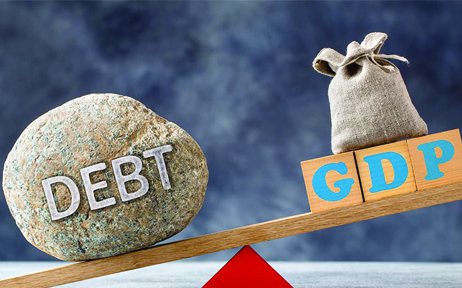
Recent parliamentary discussions on the growing indebtedness of public servants have brought an important issue into national focus. While attention has rightly been given to salary deductions, lending practices and financial literacy, debt is no longer just a financial problem. It has become a workplace wellness issue, a mental health issue and, increasingly, a public service delivery issue.

Lawmakers have raised concerns about depression, anxiety, suicide, family breakdown and declining workplace performance among public servants under financial strain. These concerns should push us to broaden our understanding of employee wellness and ask whether existing support systems are adequate for the realities employees face today.
When public servants experience overwhelming financial pressure, the effects rarely remain limited to their bank accounts. Financial distress often shows up in emotional and psychological struggles, substance misuse, absenteeism, low morale and reduced productivity. By the time many employees seek help, the problem has often grown beyond finances alone.