
The Fortune We Keep Calling a Slum
Off the coast of Lüderitz, drill ships hover over one of the most exciting oil discoveries of the century, and the nation holds its breath for a final investment decision. A few hundred kilometres inland, on the sandy edge of Windhoek, the corrugated roofs of Havana stretch to the horizon. We are transfixed by the […] The post The Fortune We Keep Calling a Slum appeared first on The Namibian .
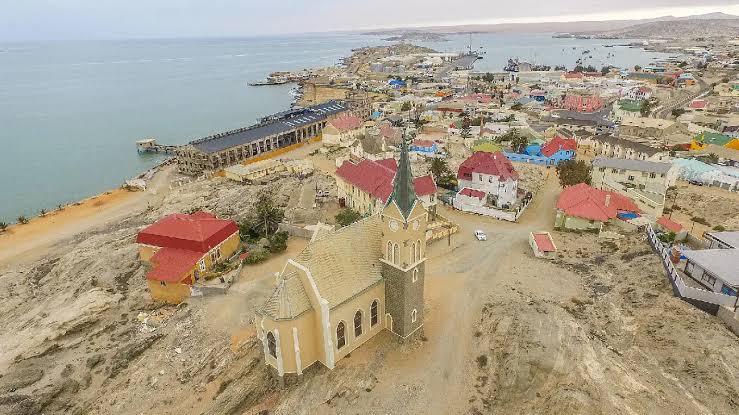
Off the coast of Lüderitz, drill ships hover over one of the most exciting oil discoveries of the century, and the nation holds its breath for a final investment decision.
A few hundred kilometres inland, on the sandy edge of Windhoek, the corrugated roofs of Havana stretch to the horizon. We are transfixed by the first frontier and quietly embarrassed by the second. I have come to believe we have it precisely backwards.
For a generation we have read Namibia’s informal settlements as a wound to be healed: a housing crisis, a service backlog, a cost the budget cannot bear. That reading is the single most expensive misjudgement in our economic policy.
Those settlements are not a liability sitting on the national balance sheet. They are the largest reserve of untapped capital in the country, and we persist in filing it under ‘problem’.
Peruvian economist Hernando de Soto gave this phenomenon its name: dead capital. The poor, he observed, are rarely poor because they own nothing. They are poor because what they own is legally invisible.
A family may occupy a plot for two decades, build on it, trade around it and raise children within it, yet without a secure title that home cannot be mortgaged, pledged as collateral, insured, cleanly inherited or developed with borrowed money.