

Livestock sector records broad‑based growth …competitive producer prices
The livestock industry recorded broad‑based growth in the first half of 2026, with cattle and sheep marketing showing strong momentum supported by competitive pricing and expanded live exports. Beef exports rose sharply alongside a surge in hides and processed leather, underscoring value‑addition gains. Overall, the sector demonstrated resilience through diversified trade channels and competitive producer... The post Livestock sector records broad‑based growth …competitive producer prices appear
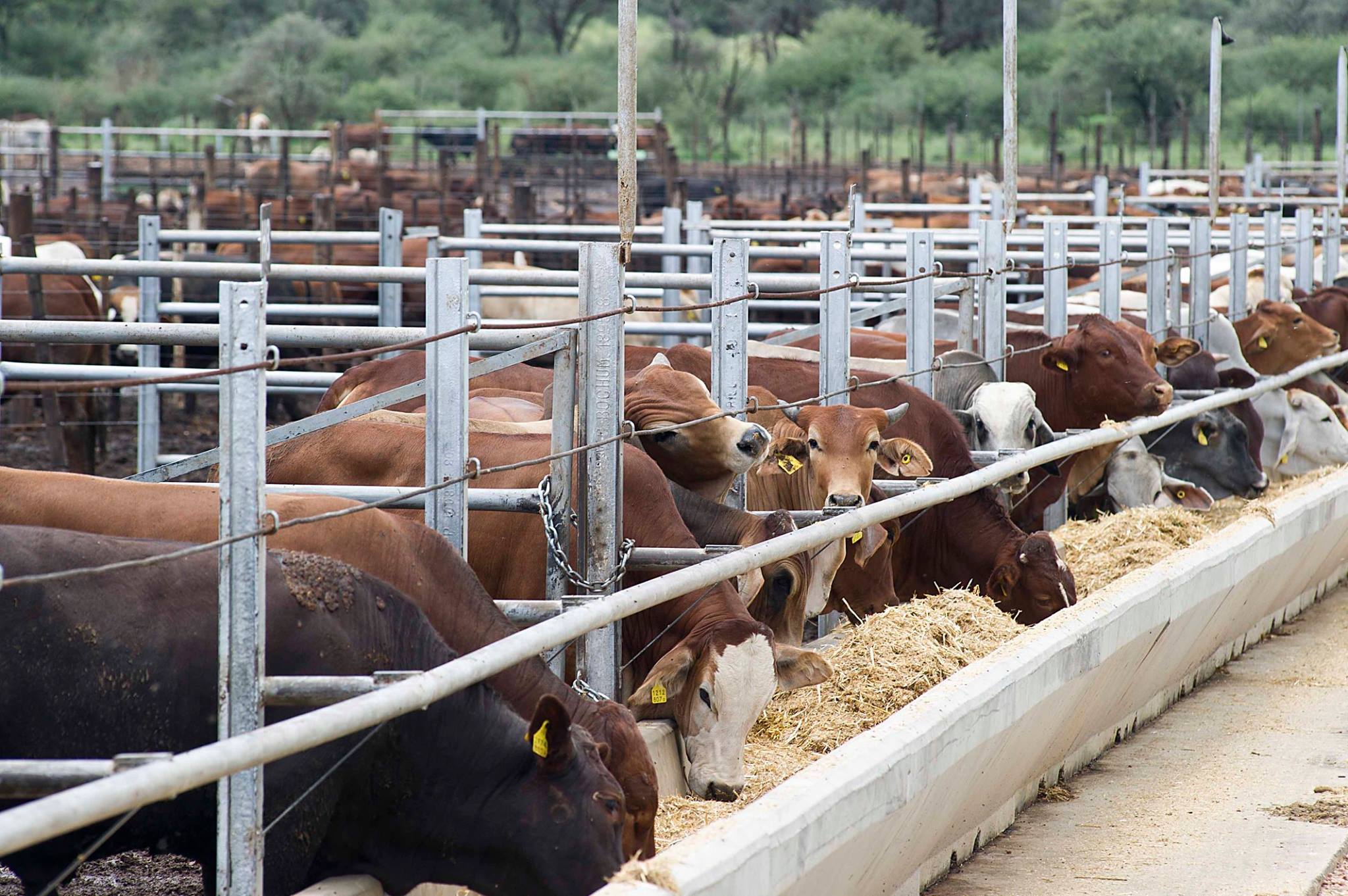
The livestock industry recorded broad‑based growth in the first half of 2026, with cattle and sheep marketing showing strong momentum supported by competitive pricing and expanded live exports.
Beef exports rose sharply alongside a surge in hides and processed leather, underscoring value‑addition gains. Overall, the sector demonstrated resilience through diversified trade channels and competitive producer prices.
Cattle sector

Marketing during the first quarter of 2026 amounted to 126 672 heads, reflecting an increase of 23.9%, compared to 122 865 heads marketed during the 2025 corresponding period.
On a year-on-year basis, 23 249 animals were marketed, reflecting a 10.8% increase compared to the 20 985 animals marketed in the corresponding period of 2025. During the first half of 2026, live exports rose by 47.4%, reaching 39 083 head compared with 26 523 in the corresponding period of 2025. On a year‑on‑year basis, live exports advanced by 55.8% to 7 513 head, up from 4 821 in 2025.
Export‑approved abattoirs recorded a 12.5% increase in throughput, rising to 13 151 head in June 2026, reflecting producer confidence and competitive pricing. In contrast, B&C class abattoirs registered a sharp 42.3% decline during the period under review.
According to Utjevera Tjiramba, the trade and strategic marketing statistician at the Livestock and Livestock Products Board of Namibia (LLPBN), during the first half of 2026, beef exports reached 8 342 841 kg, reflecting a 52.7% increase compared with the 5 461 915 kg recorded in the corresponding period of 2025.
This was supported by sustained access to premium European Union (EU) markets and firm producer margins.
Over the same period, exports of hides and processed leather totalled 924 769 kg, marking a 95.2% increase from the 473 849 kg recorded in 2025.
During the first half of 2026, weaner prices strengthened by N$2.27/kg (7.6%), averaging N$31.96/kg compared with N$29.70/kg in the corresponding period of 2025, supported by firm producer margins.
“The performance of the livestock industry was underpinned by robust live exports, resilient poultry sector growth, and competitive producer prices across key sectors.
The goat industry, however, reflected weaker performance with declining marketing volumes and softer auction prices.
In contrast, the dairy sector faced reduced domestic output alongside elevated import dependence. Sustained diversification of trade opportunities and strategic policy alignment remain critical to maintaining momentum and ensuring longterm stability across Namibia’s livestock value chain,” stated Tjiramba.
Goat & sheep sector
Also in the first half of 2026, the goat sector recorded a 12.8% decrease in total marketing, reaching 47 286 head in 2026 compared with 54 251 head in the corresponding 2025 period.
LLPBN-registered goat abattoirs reported a combined slaughter of 262 head, reflecting a sharp 76.5% decline from the 1 117 head processed during the same period in 2025.
Live exports remained dominant, with 47 024 goats exported to South Africa, Angola, Botswana, Tanzania, Zimbabwe, Zambia, and Kenya, underscoring the sector’s continued reliance on regional markets.
During the first half of 2026, sheep marketing amounted to 447 299 head, reflecting a 39.8% increase compared with 320 015 head in the corresponding period of 2025. In June 2026, marketing rose yearonyear by 44.3% to 92 311 head, largely driven by heightened regional export demand and competitive market prices. Slaughter activities at export approved abattoirs increased by 37.9%, rising to 42 421 heads during the first half of 2026 from 30 762 head in the 2025 corresponding period.
In contrast, domestic abattoirs registered a year-on-year decline of 14.2%, with slaughter numbers falling to 6 980 head in June 2026. Live sheep exports increased by 58.1% year on year to 77 724 head in June 2026.
South Africa absorbed 97.7% (75 901), underscoring its dominant role in Namibia’s live export market, while Angola, Zimbabwe, and Tanzania collectively accounted for the remaining 2.3% (1 823 head).
During the first half of 2026, lamb and mutton exports rose by 60.5%, increasing from 215 610 kg in 2025 to 346 109 kg in 2026. South Africa remained the principal destination, absorbing 53.5% of total exports (185 185 kg), while Norway accounted for 25.4% (87 917 kg).
The United Kingdom, Botswana, and the Netherlands collectively contributed 21.1%, with 21 845 kg, 7 438 kg, and 43 724 kg respectively, highlighting diversified regional and international demand.
Over the same period, exports of sheep skins totalled 140 750 kg in the first half of 2026, compared with just 1 500 kg in the corresponding period of 2025.
-ohembapu@nepc.com.na