

Africa’s Green Transition Must Not Become a New Colonial Project
Africa stands at the centre of the world’s energy transition. Beneath its soils lie the lithium, cobalt, graphite, manganese, nickel and rare earth minerals that will power electric vehicles, batteries and renewable energy systems across the globe. At the same time, the continent is being celebrated for expanding renewable energy generation and positioning itself as […] The post Africa’s Green Transition Must Not Become a New Colonial Project appeared first on The Namibian .
Africa stands at the centre of the world’s energy transition. Beneath its soils lie the lithium, cobalt, graphite, manganese, nickel and rare earth minerals that will power electric vehicles, batteries and renewable energy systems across the globe.
At the same time, the continent is being celebrated for expanding renewable energy generation and positioning itself as a leader in climate action.
Yet beneath this optimistic narrative lies a far more troubling reality.

Across Africa, communities are increasingly paying the price for a transition that promises to save the planet while sacrificing the very people who have contributed least to the climate crisis.
The global shift away from fossil fuels is rapidly becoming another chapter in Africa’s long history of resource extraction – one where the language has changed from colonialism and development to sustainability and net zero, but the lived experiences of many communities in numerous villages in Africa remain painfully familiar.
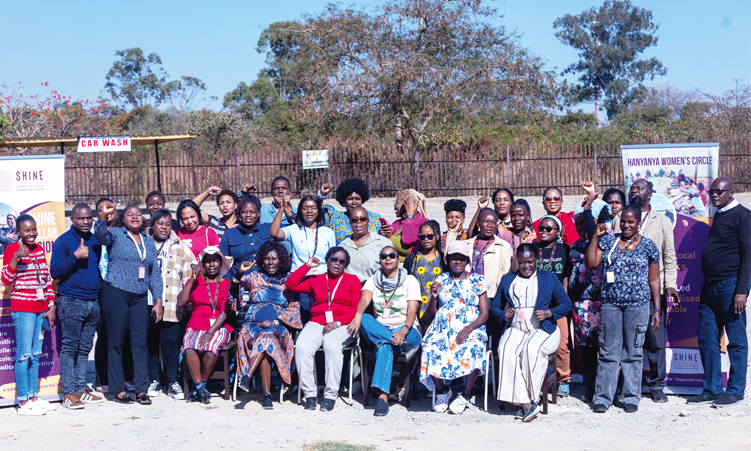
This uncomfortable truth emerged repeatedly during the Regional Ecofeminist Convening held in Harare, Zimbabwe, where activists, community leaders, researchers and legal experts from across the continent examined what they described as “energy transition extractivism”.