

Culture, apartheid force men to suffer silently – traditional leaders
Traditional leaders and social commentators say cultural norms, historical injustices and societal expectations have contributed to many men remaining silent about abuse and emotional distress. These remarks come in the wake of a recent case in which David Suze (42) from Gobabis alleged that he was attacked and stabbed in the abdomen by his girlfriend […] The post Culture, apartheid force men to suffer silently – traditional leaders appeared first on The Namibian .
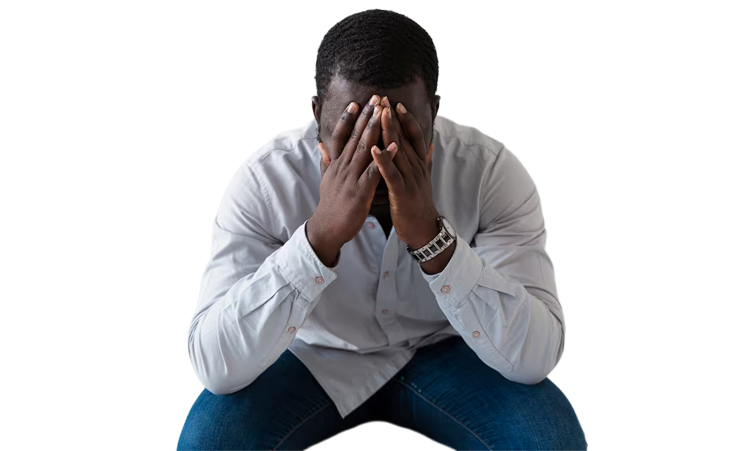
Traditional leaders and social commentators say cultural norms, historical injustices and societal expectations have contributed to many men remaining silent about abuse and emotional distress.
These remarks come in the wake of a recent case in which David Suze (42) from Gobabis alleged that he was attacked and stabbed in the abdomen by his girlfriend of five years.
“When I reached the police station, the first thing they asked me was: ‘what did you do to her to stab you?’ I am bleeding, I am in pain, can you assist me?” he claims to have told the police.

Damara Chief Council secretary general Abner Xoagub says generations of black men grew up without strong male role models due to apartheid-era policies and labour contract systems that separated fathers from their families.
“Our fathers were working as contract workers, they were working at mines and so on and in the mines they were just put in tents together.
“The only time they could kind of go out and meet with their children, wives, and women was when they were going on leave,” he says.