

Building sustainable fashion without sacrificing style
Fashion is more than following the latest trends. For women looking to make smarter choices this Women’s Month, building a sustainable wardrobe can be a simple way to save money, reduce waste and still look stylish.
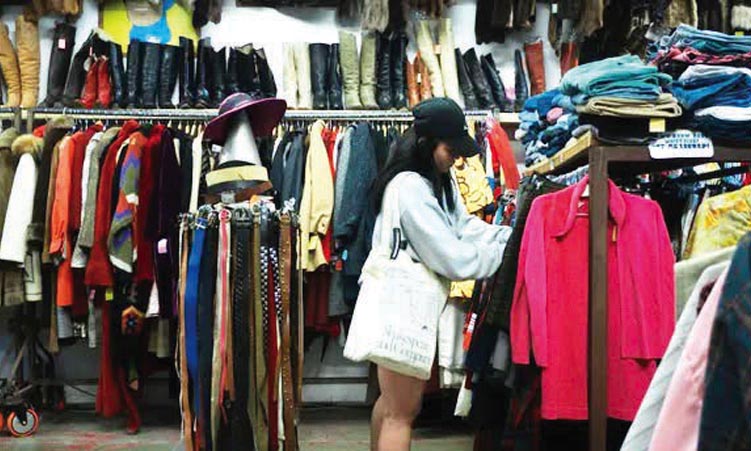
Fashion is more than following the latest trends. For women looking to make smarter choices this Women’s Month, building a sustainable wardrobe can be a simple way to save money, reduce waste and still look stylish.
With the growing focus on sustainable fashion, more women are reconsidering how they shop, what they buy and how long they keep their clothes.
Choosing quality over quantity, shopping second-hand and making better use of the clothes already in your wardrobe can all help create a more sustainable approach to fashion.

You do not have to give up your personal style or spend more to build a wardrobe that is better for the planet.
A few mindful changes can make a difference, while helping you create a wardrobe filled with pieces you genuinely love and wear.
Quality over quantity
Invest in classics: Opt for well-made, timeless pieces that will last for years. A classic blazer, a pair of dark-wash jeans, or a little black dress can be the foundation of countless outfits.
Choose natural fibres: Natural fibres like cotton, linen, and wool are biodegradable and often more comfortable to wear.
Read the labels: Look for certifications like Fairtrade, organic, and global organic textile standard, which ensure ethical and sustainable production practices.
Mindful shopping
Shop second-hand: Thrift stores, vintage shops, and online consignment stores are treasure troves of unique, pre-loved items.
Rent, don’t buy: Consider renting formal wear or trendy pieces for special occasions. It’s a great way to reduce your environmental footprint and save money.
Shop your own closet: Before making a purchase, take a good look at your existing wardrobe. Can you reimagine old clothes with a few alterations or styling tricks?
Ethical brands
Research brands: Do your homework and choose brands that prioritise sustainability and ethical practices.
Many brands are now transparent about their supply chains and materials.
Support local designers: Buying from local designers often means supporting smaller businesses and reducing the carbon footprint associated with long-distance shipping.
Avoid impulse purchases: Take a moment to consider if you really need a new item.
A well-thought-out purchase is always better than an impulsive one.
– IOL Lifestyle