

Asian baby boom for Namibian cheetahs
In an extraordinary chapter of global conservation history, the translocated Namibian cheetahs sent to India have not only adapted seamlessly to their new home in Kuno National Park, Madhya Pradesh, but are actively spearheading the revival of the species in Asia.
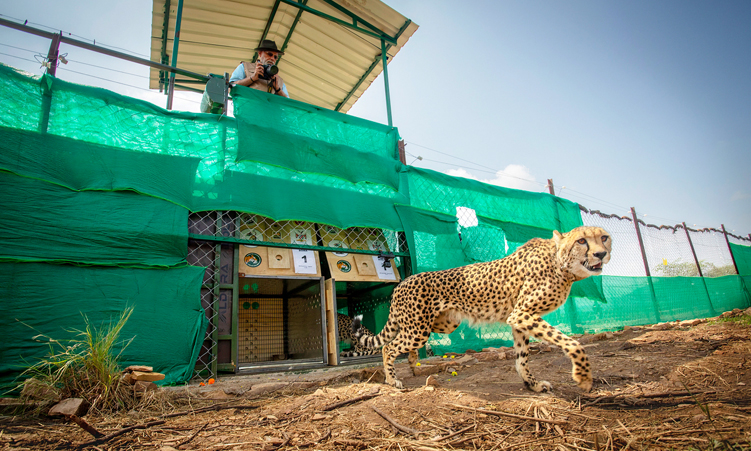
In an extraordinary chapter of global conservation history, the translocated Namibian cheetahs sent to India have not only adapted seamlessly to their new home in Kuno National Park, Madhya Pradesh, but are actively spearheading the revival of the species in Asia.
Recent breakthroughs have seen India’s total national cheetah population officially cross the 50 mark, reaching a historic high of 57 animals.
This monumental milestone is anchored by a series of vibrant wild litters born on Indian soil – with a remarkable total of 37 thriving Indian-born cubs now roaming, hunting and growing under the Indian sun.

The message cheetah ambassadors are sending is clear: Project Cheetah is progressing remarkably well and Namibia’s big cats are thriving as the founding mothers and fathers of a brand-new wild population.
HISTORICAL AND CULTURAL LEGACY
The return of the cheetah to India is a deeply symbolic restoration of both ecological balance and national culture.
The word ‘cheetah’ is derived directly from the Sanskrit word ‘Chitrak’, meaning ‘spotted’.