
LDV’s D90 is a technology-packed seven-seater
LDV’s D90 is making a compelling case for itself in the Namibia’s competitive premium SUV market, by combining imposing road presence, generous space and an
2026-08-202026-08-20By Edgar Brandt
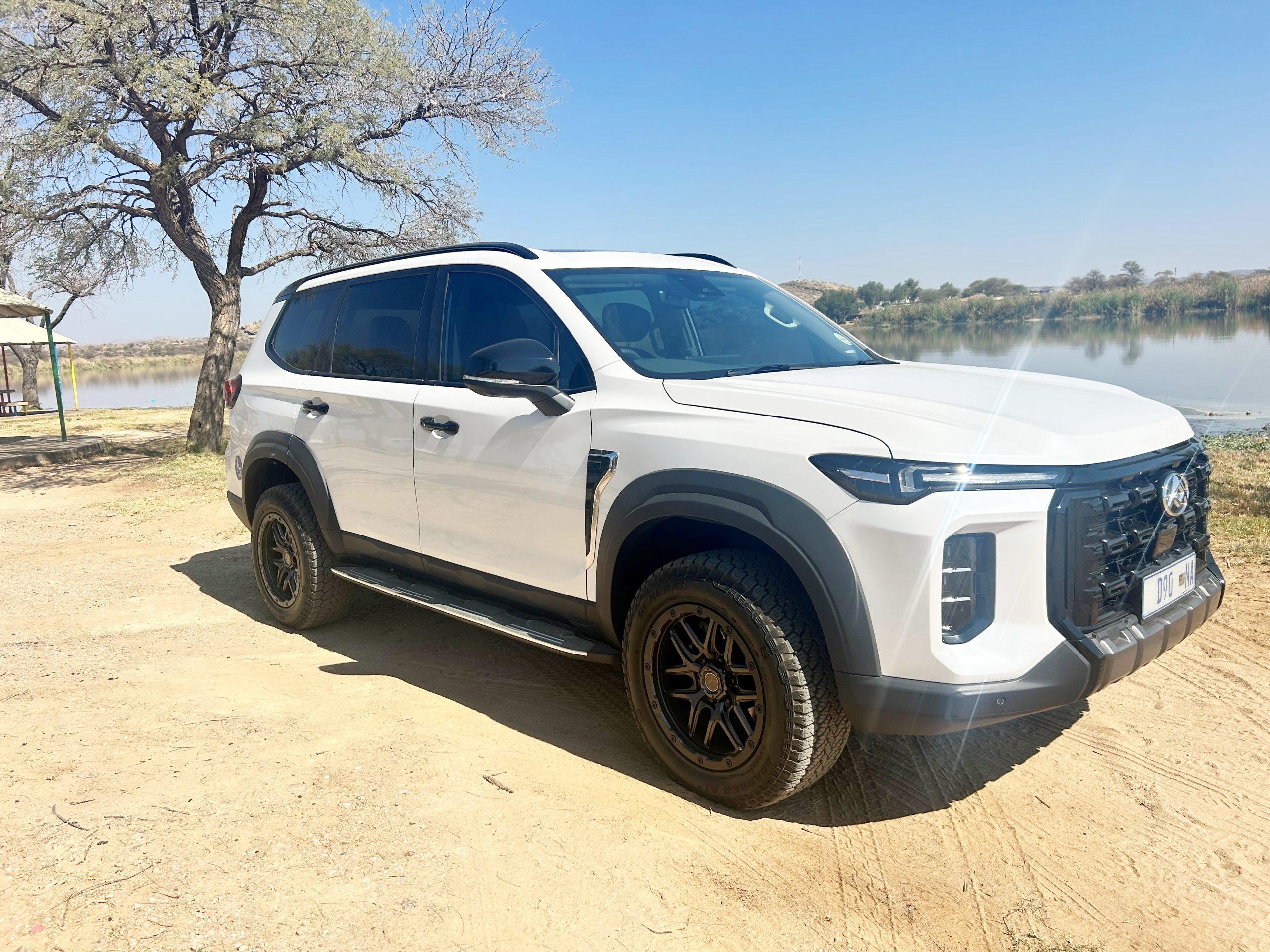
LDV’s D90 is making a compelling case for itself in the Namibia’s competitive premium SUV market, by combining imposing road presence, generous space and an impressive technology package. At first glance, the LDV D90 looks like a conventional large five-seater SUV, but when you spend some time with it, you quickly realise this is actually a seven-seater, with a practical interior that makes remarkably good use of the vehicle’s substantial dimensions.
The combination of size, technology and pricing makes the D90 a particularly interesting proposition for Namibian motorists looking for a family SUV without necessarily wanting to spend well into seven figures.

On the road, the D90 gives the immediate impression of a vehicle built to a high standard. The quality of the manufacturing is noticeable, while the overall design conveys a sense of solidity expected from a large SUV competing in an increasingly sophisticated segment.
Where the D90 really starts to distinguish itself, is inside the cabin.
LDV has loaded the SUV with the latest technology, much of which can be customised according to the driver and passenger preferences. Rather than simply adding technology for the sake of having a long equipment list, many of the features have a really practical purpose and significantly contribute to making the vehicle easier and more comfortable to drive.
Personally, visibility is one of the D90’s strongest attributes. The combination of large windows, multiple cameras and sensors positioned around the vehicle gives the driver an excellent view of the surroundings. For a vehicle of this size, that is particularly important when negotiating tight parking areas, shopping-centre spaces, crowded urban streets and even scarce space available at the gym during peak hours. The technology effectively helps shrink the D90 around the driver.
The large windows also contribute to the perception of ample space inside the cabin. The interior feels airy and practical, while the seven-seat configuration gives the D90 an important advantage for larger families.
In my assessment, the D90’s interior is arguably more practical than that of LDV’s flagship Terron 9. While the Terron 9 makes a strong statement with its imposing exterior design and extensive equipment, the D90’s cabin feels more focused on everyday usability. Controls and features are positioned in a way that makes sense when the vehicle is being used as a family SUV rather than simply as a showcase of technology.
That practicality becomes increasingly important the longer one spends behind the wheel.
The D90’s advanced cruise-control and driver-assistance systems may initially feel intrusive. The constant corrections and interventions can take some getting used to, particularly for drivers accustomed to taking complete control of every aspect of their driving. But once the system becomes familiar, its extensive range of benefits become apparent.
Rather than fighting the driver, the technology can reduce the physical and mental workload associated with long-distance driving. On Namibia’s lengthy highways, where fatigue can become a serious concern, driver assistance systems that maintain speed, monitor surroundings and make minor corrections can become valuable tools.
The D90 is therefore not simply a large SUV with a long list of electronic gadgets because much of its technology has a tangible impact on the driving experience.
And then there is the price. With the D90 positioned in the N$900 000 range, LDV has created a serious value proposition. It places the vehicle directly into consideration for buyers looking at established competitors such as the Toyota Fortuner, while its equipment levels and premium feel allow it to challenge vehicles occupying a considerably higher price bracket, including the Audi Q7.
That does not mean the D90 will automatically displace those established names. Toyota has built enormous trust around the Fortuner, while Audi brings decades of premium-brand recognition to the table.
LDV’s strategy is different in that it offers a large, technologically advanced and well-equipped SUV and makes the price difficult to ignore. For Namibian buyers, that formula is increasingly difficult to dismiss.
The D90 combines seven-seat practicality, strong visibility, sophisticated driver assistance, a spacious cabin and a substantial technology package in one impressive vehicle. Most importantly, it does not merely feel like an exercise in specification-sheet competition. After spending time behind the wheel, courtesy of M&Z Motors, the technology starts to make sense, the practicality becomes apparent and the D90 becomes an unexpectedly enjoyable vehicle to drive. – [email protected]