

Girls dominate education – Ndaitwah
Elizabeth Likoro The number of girls that stay in school becomes progressively higher from grade 6 to 12, although more boys are enrolled in the lower primary grades. Boys are being lost from the education system as they move into higher grades due to factors such as poor academic performance, lack of discipline, language barriers,... The post Girls dominate education – Ndaitwah appeared first on New Era .
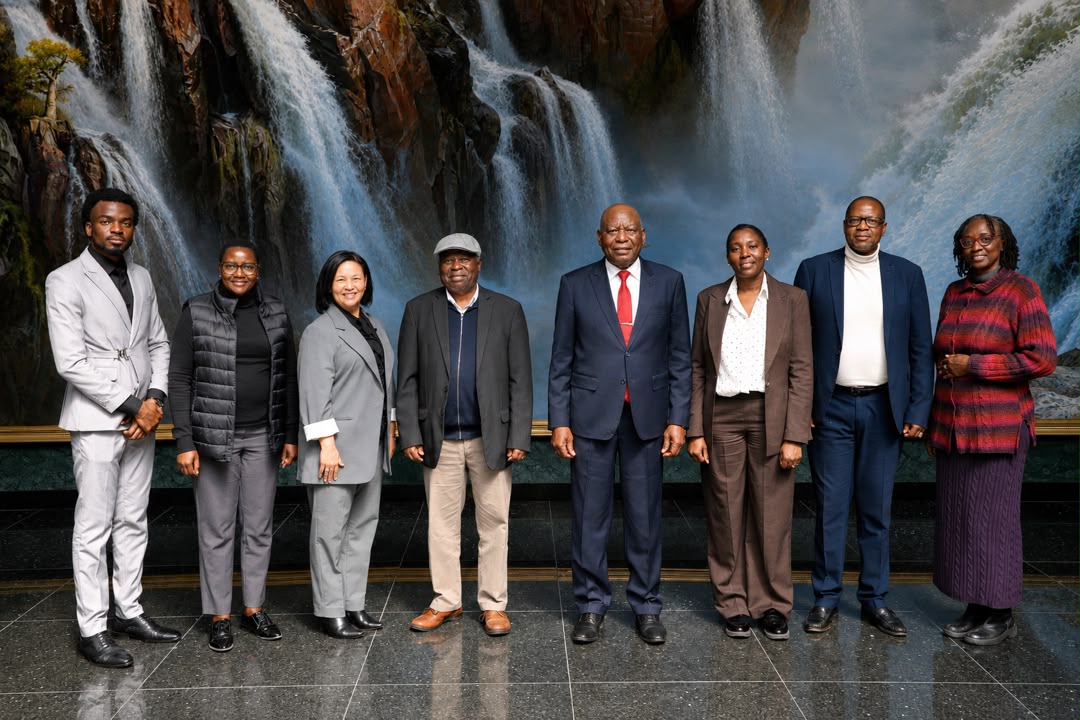
The number of girls that stay in school becomes progressively higher from grade 6 to 12, although more boys are enrolled in the lower primary grades.
Boys are being lost from the education system as they move into higher grades due to factors such as poor academic performance, lack of discipline, language barriers, distance from school, employment, parental demands and feeling too old for school.
This was revealed at the State House, where First Gentleman Epaphras Denga Ndaitwah hosted researchers from the University of Namibia for a briefing on their report, The Namibian Boys’ Underachievement and Underparticipation in Education.

This research is a 14-region study of over 6 000 learners, teachers, parents and students, showing that boys increasingly trail girls from grade 6 onwards, and make up 40% of Unam students and graduates over three decades.
Ndaitwah called for the programme to be grounded in evidence and informed by the specific context in which it will be implemented.
“I want the boy child programme to be built on empirical, context-specific evidence, not assumption,” Ndaitwah said.
Reports from the Education Management Information System show that, for more than 30 years, significantly more women than men, have enrolled in higher learning institutions.
At Unam, for example, women made up more than 60% of enrolments on average over 31 years.
Additionally, over the 30-year period, more than 67% of Unam graduates were women on average in male-dominated areas such as agriculture, engineering and natural sciences.
He also called for a paradigm shift in approach that balances Namibia’s education gains for girls with equally deliberate attention to boys. The presentation recommends a national multi-sectoral approach involving schools, families, government and the community at large. Key solutions include better support in schools, teacher training, stronger parenting, university support, government policy and ways to address social and economic problems.
The Office of the First Gentleman has been actively engaging with the community and encouraging boys to prioritise their education.
He made these remarks in Eenhana while speaking to boys from local schools under the theme ‘Empowering the Boy Child for a Resilient and Equitable Future’.
–elizabethlikoro02@gmail.com