

Ministry revises climate change policy
Ester Hakaala The Ministry of Environment, Forestry and Tourism is revising the National Policy on Climate Change for Namibia, which provides a comprehensive framework for addressing the country’s growing vulnerability to climate change while promoting sustainable, low-carbon economic development. Namibia is particularly exposed because more than 83% of its land is arid or semi-arid, with... The post Ministry revises climate change policy appeared first on New Era .
The Ministry of Environment, Forestry and Tourism is revising the National Policy on Climate Change for Namibia, which provides a comprehensive framework for addressing the country’s growing vulnerability to climate change while promoting sustainable, low-carbon economic development.
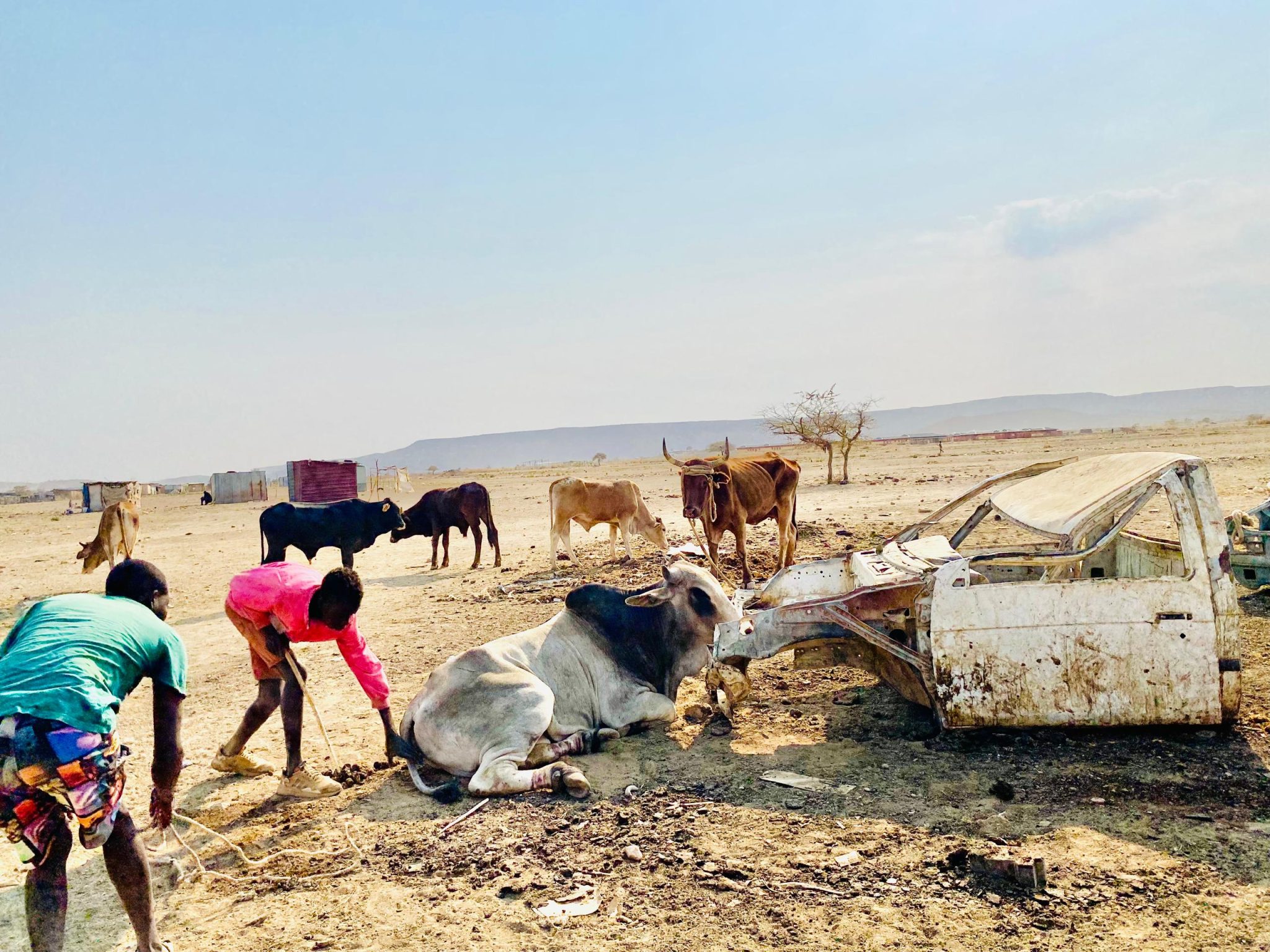
Namibia is particularly exposed because more than 83% of its land is arid or semi-arid, with low and highly variable rainfall, recurring droughts, high temperatures and occasional severe flooding. The country has experienced an estimated 1.2–1.5°C increase in average temperatures since the 1960s, while droughts have become more frequent and intense. These changes threaten livelihoods, ecosystems, infrastructure, food security and economic development.
The policy recognises that climate change affects almost every major sector of Namibia’s economy.

Agriculture and livestock production are vulnerable to drought, declining rainfall, pasture degradation and water shortages. Fisheries face risks from ocean warming, changes in the Benguela Current, acidification and oxygen-depleted marine areas. Water resources are under increasing pressure, while energy security is affected by Namibia’s dependence on electricity imports and vulnerability of hydropower generation at Ruacana.
Infrastructure, mining, tourism, biodiversity, trade and public health are also increasingly exposed to climate-related risks. Vulnerable groups, including women, children, youth, persons with disabilities, indigenous peoples, rural communities and low-income households, experience disproportionate impacts.
The formulation of a revised national climate change policy is essential for Namibia to safeguard national development, human wellbeing and livelihoods; provide strategic direction and coherence; meet regional and global obligations and enhance global credibility; as well as capture opportunities for inclusive, low-carbon and climate-resilient growth.
The policy’s central aim is to promote climate-resilient and sustainable development through low-carbon approaches that protect ecosystems, strengthen livelihoods and support Namibia’s national development objectives and international climate commitments.
Its objectives include strengthening institutional and legal frameworks, reducing vulnerability, promoting renewable energy and power-to-X, encouraging private-sector investment, improving public awareness, mobilising climate finance, promoting social inclusion and supporting evidence-based decision-making.
The policy will serve as a guiding instrument to direct detailed climate-change interventions through costed and periodic climate-change action plans, aligned with national development plans, to ensure that climate change becomes central to planning, budgeting, implementation, and monitoring at all levels of government, while ensuring inclusive participation, scientific rigour, and accountability.
The policy implementation strategy is to promote low-emission development pathways through renewable energy, sustainable transport, climate-smart agriculture and green industrialisation, to establish and maintain a robust greenhouse gas inventory and monitoring system to support transparency and reporting, to implement fiscal and regulatory incentives to stimulate private sector investment in low-carbon technologies and industries; to participate in carbon markets and emission reduction mechanisms aligned with national development priorities and to promote green, blue and circular economy opportunities to generate employment and diversify the economy.
The policy promotes climate-smart agriculture, resilient infrastructure, integrated water-resource management, ecosystem restoration, improved health systems, disaster-risk reduction and community-based adaptation. It also calls for climate risks to be incorporated into planning, budgeting and environmental assessments. Mitigation measures focus on renewable energy, sustainable transport, climate-smart livestock production, forest conservation, efficient industrial processes and improved waste management. Namibia’s substantial solar and wind resources provide opportunities to reduce dependence on imported energy while developing new industries and green jobs.
The policy also emphasises mainstreaming climate change throughout government. Climate considerations should be incorporated into Vision 2030, National Development Plans, the Medium-Term Expenditure Framework and regional and local development plans. Stronger coordination between national, regional and local institutions is considered essential. The policy proposes a comprehensive climate change act and stronger political oversight to improve enforcement, accountability and coordination.
Research, innovation, education and public awareness are identified as important foundations for effective climate action. Namibia is encouraged to strengthen research institutions, develop locally appropriate technologies, integrate indigenous and tradi