
When state spies potentially target journalists, they target the press, the public and you
The possible targeting of journalist Marianne Thamm by state intelligence highlights a serious threat to press freedom and democratic accountability in South Africa. A free press is not a courtesy the state extends to journalists. It is a constitutional load-bearing wall. When journalists investigate the police — the institution society arms and empowers to protect […] The post When state spies potentially target journalists, they target the press, the public and you appeared first on The Namibi
The possible targeting of journalist Marianne Thamm by state intelligence highlights a serious threat to press freedom and democratic accountability in South Africa.
A free press is not a courtesy the state extends to journalists. It is a constitutional load-bearing wall.

When journalists investigate the police — the institution society arms and empowers to protect its citizens — they do the work the Constitution anticipates and democracy requires. Any suggestion that state intelligence resources were turned against a journalist for doing that work is not a media-industry grievance. It is an attack on the public’s constitutionally enshrined right to know, and on every citizen who depends on that right. It is also potentially an attack on a key pillar of our democracy, which South Africa cannot afford to place at risk.
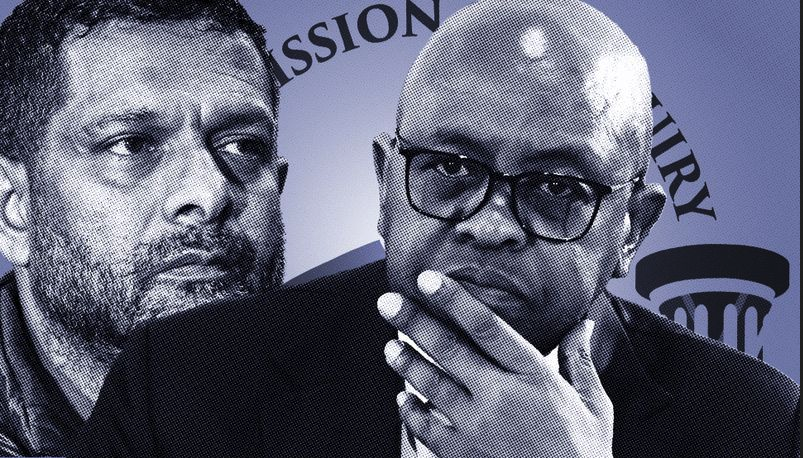
That is why testimony at the Madlanga Commission last week and on Monday should alarm every South African — whether or not they have ever read a word of Daily Maverick’s reporting. The allegations concern our associate editor, Marianne Thamm, and we do not pretend to be neutral about her safety. But the principle here is bigger than one journalist or one newsroom: if Crime Intelligence — a unit already dogged by allegations of slush funds and factional abuse — can be discussed as a “counter” to be “activated” against a reporter, the machinery meant to protect the public can be turned against it.