

Farmers Meat Mariental abattoir to close …N$26m annual loss exposes export squeeze
Ambitions to expand value-added meat exports have suffered a major setback after Hartlief announced yesterday the permanent closure of the Farmers Meat Mariental abattoir. They cited sustained losses, soaring procurement costs and international market conditions that have rendered the operation commercially unviable. The abattoir, positioned as an important processing and export outlet for domestic sheep... The post Farmers Meat Mariental abattoir to close …N$26m annual loss exposes export sque
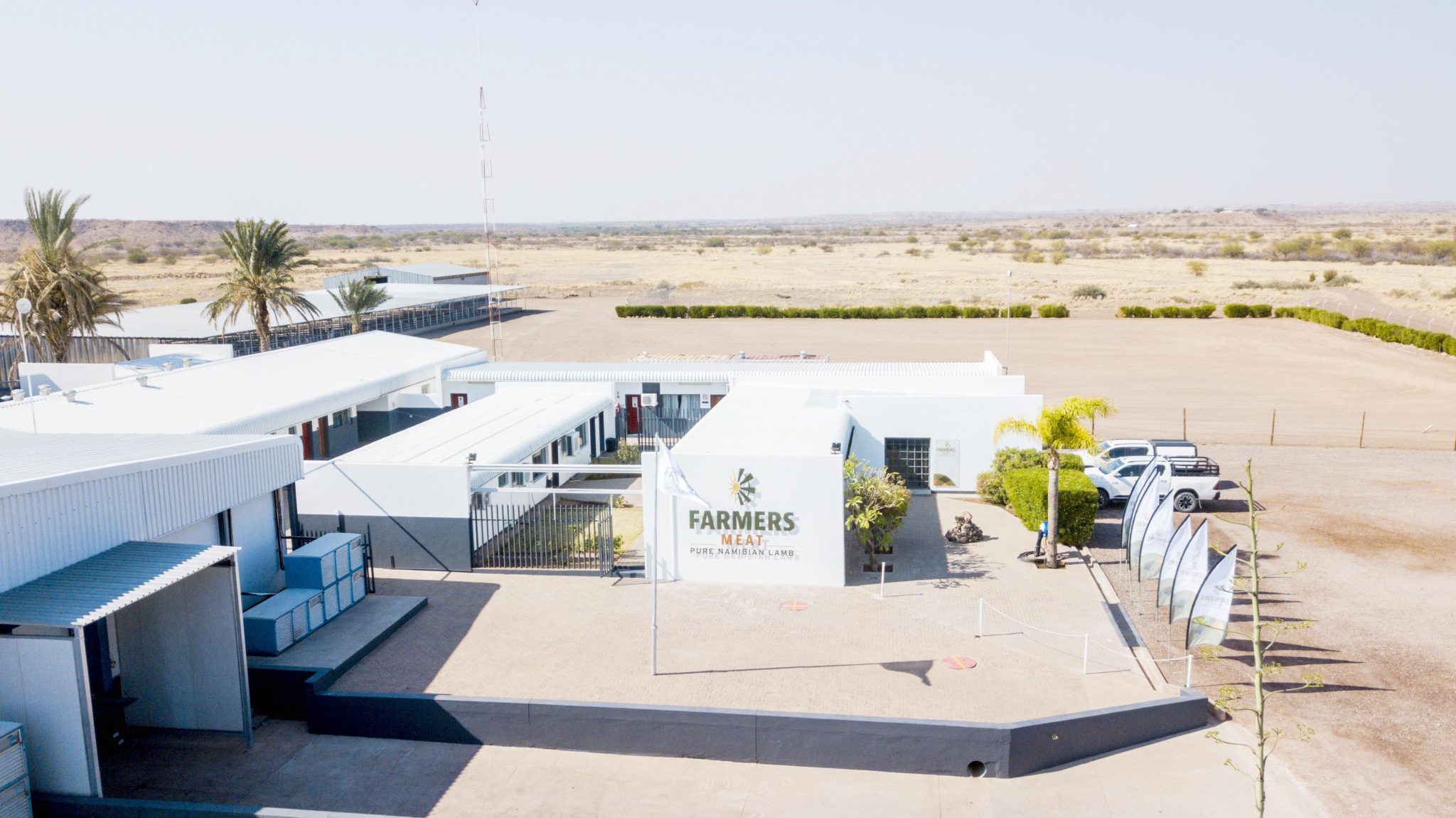
Ambitions to expand value-added meat exports have suffered a major setback after Hartlief announced yesterday the permanent closure of the Farmers Meat Mariental abattoir.
They cited sustained losses, soaring procurement costs and international market conditions that have rendered the operation commercially unviable.
The abattoir, positioned as an important processing and export outlet for domestic sheep producers, will cease operations after a final wind-down scheduled for 30 September 2026.

The closure comes despite substantial shareholder support and efforts to restore the facility to profitability since it resumed commercial operations in November 2022. Hartlief stated that the abattoir has recorded losses every year since reopening, with the latest financial year to June 2026 resulting in a loss of approximately N$26 million.
Hartlief’s difficult decision underscores the mounting pressure on Namibia’s meat industry, where producers and processors are increasingly exposed to high input and livestock procurement costs while struggling to secure sufficiently lucrative international markets.
“We deeply regret having to close Farmers Meat. Since we reopened the business in 2022, the goal was to build a viable export business supporting Namibian sheep producers and creating lasting jobs,” said Sven Thieme, executive chairman of Ohlthaver & List (OL) and managing director of Hartlief.
Thieme said the business was ultimately squeezed by a combination of unfavourable exchange rates, high procurement costs, restricted access to premium markets and international meat prices that failed to cover production costs.
“Despite significant shareholder investment and every effort to turn performance around, the abattoir incurred losses year on year since reopening,” Hartlief stated. The closure is particularly significant given the investment already made to revive the Mariental facility following the severe drought that devastated livestock numbers in southern Namibia. The drought forced Farmers Meat to suspend commercial operations in August 2020 after widespread herd destocking left the plant without sufficient slaughter-ready sheep.
OL and Hartlief subsequently injected N$3 million for facility upgrade to meet international export standards and provided N$40 million in working capital to support the restart.
The facility was officially reopened in August 2023, with expectations that it could help unlock greater value from Namibian livestock by processing sheep locally for export rather than relying predominantly on live-animal markets.
Those ambitions have now collided with the real-world economics of the global meat trade. The immediate human cost of the closure will also be significant, as Farmers Meat currently employs 19 permanent and 83 temporary workers, all of whom face uncertainty as the operation winds down.
“The greatest sadness in decisions like these is always the profound personal impact on our people,” Thieme said
He added that the company is prioritising redeployment opportunities across Hartlief and the broader OL Group for eligible employees.
Meanwhile, the Mariental facility had been regarded as an important economic asset for the Hardap region, providing farmers with a nearby commercial slaughtering outlet while creating employment and supporting local economic activity.
Hartlief noted that the management would assess potential strategic uses for the facility and its equipment after the wind-down is completed.
The closure also raises broader questions about the viability of Namibia’s livestock-processing ambitions, particularly where export-oriented plants depend on premium international markets to offset the country’s relatively high production and logistics costs.
For farmers, losing another processing outlet could further narrow their options for adding value to livestock locally.
For Hartlief and OL, the tough decision reflects a hard commercial calculation: after years of losses and tens of millions of dollars in shareholder support, management believes there is no credible pathway to profitability.
Moreover, the closure represents more than the loss of one abattoir because it is a stark warning that the domestic drive to move further up the agricultural value chain will require competitive procurement costs, reliable livestock supply, favourable market access and export prices capable of sustaining local processing operations.
– ebrandt@nepc.com.na